
Trees
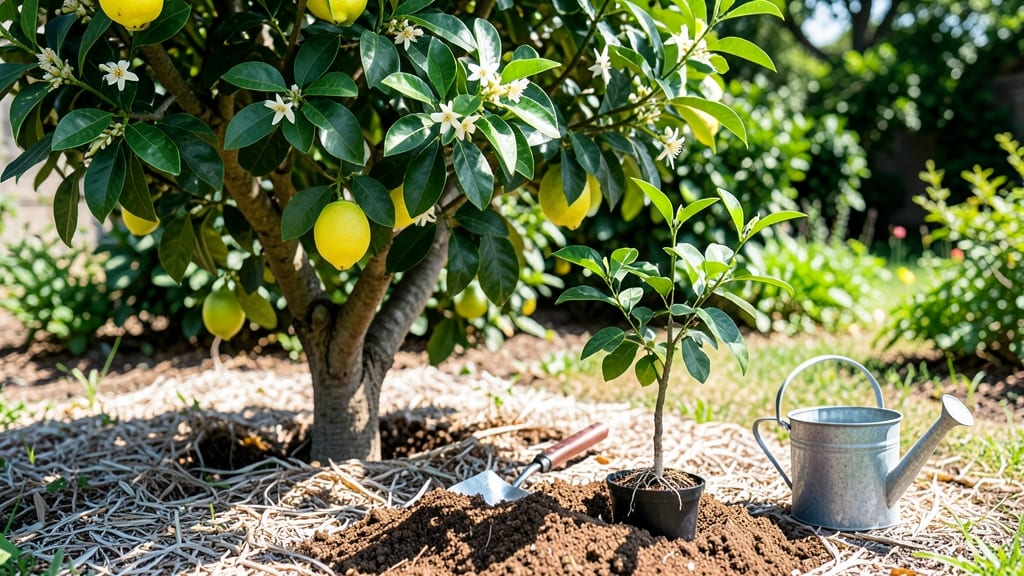
Timing your Citrus Tree 🍊 planting in Arizona isn’t just about picking a month—it’s about beating the heat and avoiding transplant shock. With 365 frost-free days and desert sun, the window between November and March offers the perfect balance of cooler temps and moisture for root establishment.
Plant too early, and your tree might struggle with summer’s intensity before it’s strong enough. Too late, and you risk exposing young roots to Arizona’s 100°F+ temperatures. The key? Focus on soil prep and microclimates—whether you’re in Phoenix’s Low Desert or Flagstaff’s cooler High Desert.
I’ll break down the exact months that work best for your location, plus pro tips for container vs. in-ground planting. Whether you’re growing Meyer lemons or Valencia oranges, getting this right means faster growth and year-round harvests—no guesswork needed.
Ready to turn your backyard into a citrus oasis? Let’s dive into the best planting strategies tailored for Arizona’s unique climate.
Best months to plant citrus trees in Arizona’s climate zones
Arizona’s diverse climate zones—from the Low Desert of Phoenix to the High Desert of Flagstaff—create unique planting windows for citrus trees. Unlike most states, Arizona rarely faces frost, but heat stress and soil temperature are your real enemies.
The ideal window spans November through March, when cooler temps and shorter days reduce transplant shock.
Low Desert areas (like Tucson and Yuma) can extend planting into early April, while High Desert regions (e.g., Prescott) should avoid planting after March 15 to prevent early-spring heatwaves. Microclimates matter—even within cities, valleys stay cooler than mountain slopes by 5–10°F.
Citrus trees thrive when soil temps stay above 60°F. Use a soil thermometer to check—planting when roots can actively grow (below 85°F) ensures faster establishment. Container-grown trees adapt better to heat but still need 4–6 weeks of acclimation before full sun exposure.
| Climate Zone | Best Planting Months | Soil Temp Threshold | Top Varieties |
|---|---|---|---|
| Low Desert (Phoenix, Tucson) | November–April | 60–85°F | Meyer Lemon, Navel Orange, Calamondin |
| High Desert (Flagstaff, Sedona) | October–March | 55–75°F | Satsuma Mandarin, Kaffir Lime, Dwarf Citron |
| White Mountains (Show Low) | September–November | 50–65°F | Ponkan Mandarin, Yuzu, Dwarf Grapefruit |
Meyer lemons and Navel oranges dominate Low Desert gardens because they tolerate 105°F+ heat once established. In contrast, Satsuma mandarins thrive in High Desert’s cooler nights (40–50°F) and resist light frost (down to 20°F).
For White Mountains, prioritize dwarf varieties—their smaller size lets you move pots indoors if temps drop below 28°F.
Timing also depends on your tree’s origin. Nursery-grown trees (bare-root or potted) can handle cooler temps better than seedlings. If you’re planting from seed, start indoors in February and transplant outdoors by April in Low Desert areas. Seedlings need 6–8 weeks of gradual hardening before exposure to full sun.
Pro tip: Mulch heavily (3–4 inches of wood chips) after planting to retain moisture and regulate soil temps. In Low Desert, use straw mulch—it reflects sunlight and reduces heat stress on roots. High Desert planters should opt for gravel mulch to prevent soil compaction from winter rains.
Watch for heat stress signs like curled leaves or sunburned fruit after planting. If your tree shows distress, provide afternoon shade for 2–3 weeks while roots adjust. Drip irrigation systems with 5-gallon-per-hour emitters keep roots consistently moist without wetting foliage (which invites fungal diseases).
Container planting extends your window—pots warm up faster than ground soil, so you can plant citrus in containers up to June in Low Desert zones. Just ensure pots have drainage holes and use a fast-draining cactus/succulent mix amended with perlite.
Move containers to partial shade during 110°F+ days to prevent root burn.
Remember: Root establishment is your #1 priority. Trees planted in November–January often bear fruit by their second year, while late-season plantings (April+) may take 12–18 months to recover. Start with dwarf or semi-dwarf varieties—they fruit sooner and are easier to protect in unexpected cold snaps.
Critical factors beyond months: soil, sun, and tree variety
Arizona’s citrus trees thrive when planted during the coolest months, but timing alone isn’t enough. The soil type, sun exposure, and tree variety you choose dramatically impact success.
For example, Meyer lemons tolerate cooler temps better than Valencia oranges, while dwarf varieties need more protection from desert winds. Let’s break down what truly matters beyond the calendar.
Your soil’s drainage is non-negotiable—citrus roots rot quickly in compacted or clay-heavy soil. Arizona’s Low Desert often has alkaline soil, so amend with compost or sand to improve aeration.
A simple percolation test (dig a 12-inch hole, fill with water, and time how long it drains) will save you from root rot disasters. pH levels between 6.0 and 7.0 are ideal, and you can adjust with sulfur or lime if needed.
🌱 3 Critical Pre-Planting Checks
- Drainage Test: Water should drain within 2 hours.
- Sunlight Audit: Choose a spot with 6+ hours of direct sun daily.
- Variety Match: Dwarf trees need windbreaks; standard trees need space.
Next, sunlight exposure can’t be overlooked. Citrus trees are sun-worshippers—they need 6 to 8+ hours of direct sunlight daily to produce fruit. In Phoenix or Tucson, a south-facing yard is ideal, but even east or west exposures work if the tree gets morning or late-afternoon sun.
Avoid planting near tall buildings or trees that cast shade, as citrus will leaf out but fail to fruit in low light.
Your tree variety also dictates planting strategy. Dwarf citrus trees (like Calamondin oranges) are perfect for containers and urban gardens, but they need protection from high winds common in Arizona’s High Desert. Standard varieties (e.g., Navel oranges) require more space and deeper root zones, making them better suited for Low Desert areas like Yuma or Tucson.
If you’re in Flagstaff or the White Mountains, opt for cold-hardy varieties like Trifoliate orange or Improved Meyer lemon.
Don’t forget about windbreaks—Arizona’s desert winds can dry out young citrus trees in days. A bamboo fence, trellis, or even a sturdy wooden screen can shield your tree while it establishes roots.
For container growers, move pots indoors or into a garage during winter temperature dips below 30°F, even in frost-free zones like Phoenix.
Finally, mulching is your secret weapon. Apply a 3-inch layer of mulch (like wood chips or straw) around the base of your tree to retain moisture and regulate soil temperature.
Just keep mulch 6 inches away from the trunk to prevent rot. Pair this with drip irrigation for precise watering, and you’ll give your citrus tree the perfect growing conditions year-round.
By focusing on these three pillars—soil, sun, and variety— you’ll turn Arizona’s challenging climate into an advantage. Your citrus tree won’t just survive; it’ll thrive and bear fruit for decades. 🌿