
Plants
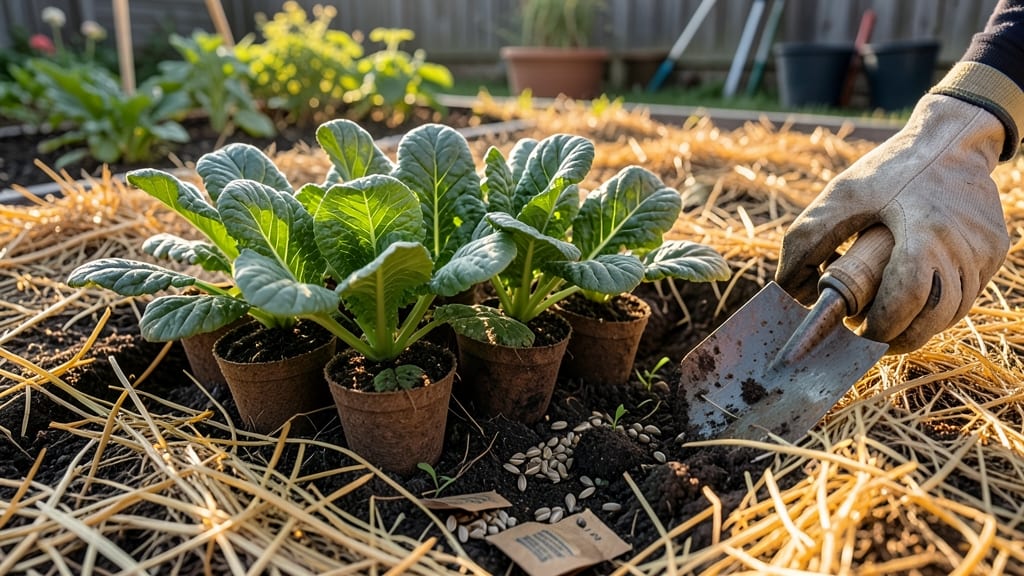
Planting collard greens 🥬 in Georgia (GA) isn’t just about throwing seeds in the dirt—it’s about working with your subtropical climate to avoid bolting or stunted growth.
The key to success lies in timing: too early, and frost will nip your tender leaves; too late, and summer heat will send them shooting up before you can harvest.
Georgia’s USDA Zones 7a-9a give you two prime windows to plant: late winter through early spring (February–March) and late summer through early fall (August–September). But here’s the catch—your exact timing depends on whether you’re in North Georgia’s cooler hills or South Georgia’s balmier lowlands.
I’ll break down the frost-free timeline so you can plant with confidence.
Beyond dates, we’ll cover soil prep for Georgia’s clay-heavy ground, how to stretch your harvest with succession planting, and when to reach for row covers.
Whether you’re a first-time gardener or a seasoned green thumb, these strategies will help you grow 🥬 collards that thrive year-round—even when the weather tries to throw you a curveball.
Ready to turn your garden into a collard green powerhouse? Let’s dive into the exact steps to maximize your harvest, from seed to table.
Georgia’s frost-free timeline for planting collard greens by heat Zone
Georgia’s USDA Hardiness Zones 7-9 create unique planting windows for collard greens, where fall and winter harvests thrive. Unlike northern states, Georgia’s mild winters allow year-round growth with proper timing. The key is planting 4-6 weeks before frost for winter crops or 2-3 weeks after last frost in spring.
For Zone 7a (North GA), average last frost dates fall around March 15, while Zone 9a (South GA) sees last frosts as early as February 15. First frosts typically arrive November 15 in North GA, but December 1 in South GA.
These dates shift your planting strategy significantly—fall plantings are safer in Zone 7a, while spring and winter crops work better in Zone 9a.
Here’s how to align your planting with Georgia’s microclimates. Mountain regions (e.g., Blue Ridge) may experience earlier frosts, while coastal areas (e.g., Savannah) stay frost-free longer. Always check your local Almanac frost dates for precision.
🌱
| Zone | Last Frost | First Frost | Best Planting Window | Harvest Window |
|---|---|---|---|---|
| 7a (North GA) | March 15 | November 15 | Late August–September (fall) or March–April (spring) | October–December or April–May |
| 8a (Central GA) | March 1 | November 30 | Late July–September (fall) or February–March (spring) | September–January or March–June |
| 9a (South GA) | February 15 | December 1 | June–August (summer) or January–February (winter) | July–October or February–April |
For spring plantings, aim for March in Zone 7a or February in Zone 9a.
This gives collards 60-70 days to mature before summer heat stresses them. Fall plantings are ideal—sow seeds 4-6 weeks before frost (late August in North GA, September in South GA) to ensure a winter harvest before bolting.
In Zone 9a, you can even plant winter varieties in January for a spring harvest. These late-season crops benefit from Georgia’s mild winters, but protect them with row covers if temps drop below 20°F.
For Zone 7a, focus on fall and early spring to avoid frost damage.
Pro tip: Use succession planting every 2-3 weeks in fall to extend harvests. This ensures a steady supply of tender leaves before winter sets in. In Zone 8a, you can even stagger plantings from July to September for continuous harvests.
🌿
Heat tolerance is critical in Georgia’s summer months. Collards bolt (flower prematurely) when temps exceed 90°F for prolonged periods. To prevent this, plant shade cloth or use partial shade in late summer.
For Zone 9a, avoid planting after June—instead, opt for winter crops that thrive in cooler weather.
Finally, monitor your local weather forecasts for unexpected frost warnings, especially in transition months like March or November. A frost cloth or row cover can save your crop if frost is forecasted within 48 hours of planting.
Georgia’s frost-free timeline for planting collard greens by heat Zone
Georgia’s USDA Zones 7a-9a create two ideal windows for planting 🥬 collard greens: late winter/early spring and late summer/early fall. But the exact timing depends on whether you’re in North Georgia’s cooler Zone 7a or South Georgia’s balmier Zone 9a.
For example, Zone 7a’s average last frost date is March 15, while Zone 9a sees its last frost around February 15.
In North Georgia (Zones 7a-7b), aim to plant collards 4-6 weeks before the first frost for a fall harvest (around August 15–September 1). Meanwhile, South Georgia (Zones 8a-9a) gardeners can push planting into early October due to milder winters.
Spring plantings should happen 2-3 weeks after your last frost date—typically late February in South Georgia and early March in North Georgia.
Here’s a quick reference for your region’s frost-free timeline and optimal planting windows:
Adjust these dates for microclimates—like valleys holding frost longer or urban areas staying warmer. For example, if you’re in the Appalachian foothills, plant collards 2 weeks later than the average Zone 7a date to avoid late frosts.
Conversely, in coastal areas, you can plant earlier in fall thanks to milder nights.
Pro tip: Use row covers to extend your planting window by 2-4 weeks in both spring and fall. This lets you start seeds earlier in cool weather or push harvests later into winter. Just remove covers during the day to prevent overheating in spring.
For succession planting, sow new seeds every 2-3 weeks from August through October in South Georgia or September through October in North Georgia. This ensures a steady supply of tender leaves before winter sets in.