
Plants
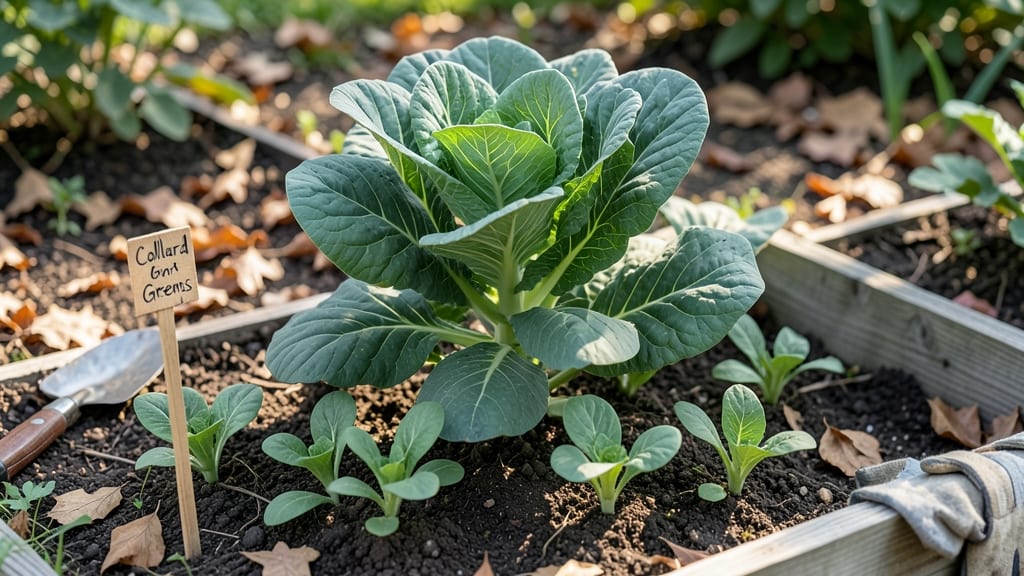
Knowing when to plant collard greens in Georgia can mean the difference between a bountiful harvest and wasted effort. These cold-hardy greens 🥬 thrive in Georgia’s mild winters but demand precise timing to avoid bolting or frost damage.
Spring planting should start between mid-February and early April, giving your collards time to mature before summer heat sets in. Meanwhile, fall plantings in late July to early September take advantage of cooler temperatures, often yielding sweeter leaves by October.
Georgia’s 7b-8b climate zones offer a unique advantage—collards can survive light frosts, but early starts risk stunted growth. The key is balancing frost dates with soil warmth to ensure steady, healthy growth.
Whether you’re a seasoned gardener or just starting, mastering these planting windows will help you grow tender, flavorful collards all year. Let’s dive into the best strategies for your Georgia garden.
Georgia’s ideal collard green planting window by frost dates
Georgia’s USDA zones 7b-8b create a unique challenge for collard greens—balancing early spring warmth with late-season heat. The perfect planting window depends on your region’s average frost dates, which vary dramatically from North Georgia’s cooler mountains to South Georgia’s humid lowlands.
For most gardeners, this means two ideal planting periods: early spring (February–March) and late summer (July–August).
In North Georgia (Atlanta area, Zone 7b), the last frost date typically falls between March 15–April 1, while South Georgia (Savannah/Valdosta, Zone 8a) sees frost-free conditions by February 15–March 1. This 2–4 week difference means your planting schedule should shift accordingly.
For example, Valdosta gardeners can start seeds as early as mid-February, while Atlanta gardeners should wait until late February to early March.
Here’s the golden rule for Georgia collards: Plant 4–6 weeks before your average last frost date for a spring harvest. This timing ensures seedlings mature before summer’s brutal heat (90°F+) triggers bolting.
For a fall harvest, aim to plant 60–70 days before the first frost (typically late July–early September), giving plants enough time to establish roots before winter slows growth.
🌱
If you’re unsure about your local frost dates, check the Georgia Climate Project or your county extension office for hyper-local data.
For example, Valdosta’s Zone 8b allows for earlier spring planting (as early as February 1), while Blue Ridge Mountain areas (Zone 7a) may need to wait until mid-March.
Pro tip: Use row covers or cold frames to extend your spring planting window by 2–3 weeks in cooler regions. This protects young seedlings from late frosts (which can kill tender collards) while still giving you an early harvest.
In South Georgia, where winters are milder, you can even plant collards year-round with minimal protection.
For succession planting, sow new seeds every 2–3 weeks during your region’s ideal window to ensure a continuous harvest. For instance, in Atlanta (Zone 7b), planting in late February, early March, and mid-March will give you greens from April through June before summer heat sets in.
🌿
One common mistake Georgia gardeners make is planting too late in spring, thinking they have more time. But by mid-April, soil temperatures often exceed 80°F, stressing collards and causing bolting.
Similarly, fall planting after August 15 risks immature plants before the first frost. Always adjust for your microclimate—a north-facing garden stays cooler longer than a south-facing bed, for example.
To test soil readiness, use a soil thermometer. Collard seeds need soil temps of 60–70°F to germinate properly. In North Georgia
Heat tolerance limits: when collards bolt in Georgia’s summer
Georgia’s summer heat—consistently hitting 90°F+—can turn your collard greens from tender harvests to bitter, bolted disappointment. Collards thrive in cool weather (60–75°F), but when temperatures climb above 85°F for extended periods, they’ll bolt (send up flower stalks) and become tough.
Understanding these heat tolerance limits is key to extending your harvest season.
Most collard varieties start bolting when daytime highs exceed 85°F for 3+ days. In Georgia’s USDA zones 7b–8b, this typically happens by mid-June in northern regions (like Atlanta) and late May in southern areas (like Valdosta).
If you plant too late in spring, you’ll miss the sweet spot before summer’s peak heat arrives.
Bolt Risk: Temperatures above 85°F for 3+ days trigger bolting.
Solution: Plant heat-tolerant varieties like 'Georgia Southern' or 'Top Bunch' and use shade cloth.
To beat the heat, focus on late-summer planting (July–early August) when daytime temps drop slightly. This gives collards 60–70 days to mature before Georgia’s first frost (late November). Pair this with succession planting—sow new seeds every 2–3 weeks—to stagger harvests and avoid a single failed batch.
Shade strategies are your best friend in summer. Use 30–50% shade cloth to reduce soil and leaf temps by 10–15°F, delaying bolting. Alternatively, plant collards near tall crops (like corn or sunflowers) for natural shade.
Mulch with straw or wood chips to keep roots cool and retain moisture, which is critical when summer’s drought stress kicks in.
Watering deeply in the morning (before 10 AM) prevents heat stress. Aim for 1–1.5 inches of water per week, focusing on the root zone to encourage deep growth. Avoid overhead watering in the evening—this invites fungal diseases like downy mildew, which thrives in Georgia’s humid summers.
For a second harvest, try fall planting (late July–early September). This aligns with Georgia’s cooler autumn temps, giving collards the ideal 60–65°F range they crave. With the right timing and heat management, you can enjoy two bountiful harvests—one in spring and one in fall—without bolting woes. 🌿