
Plants
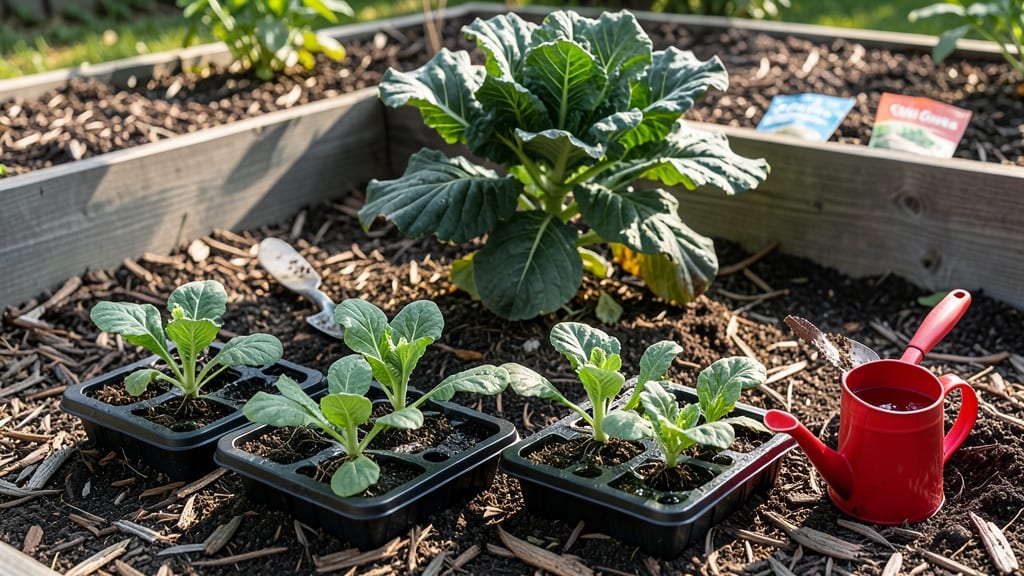
If you’ve ever wondered when to plant collards in Florida, the answer isn’t as straightforward as it seems—thanks to the state’s unique climate.
While many gardeners assume cool seasons are the only time to grow these leafy greens, Florida’s frost-free zones and warm winters actually open up year-round possibilities with the right timing.
Most gardeners know collards thrive in cooler weather, but Florida’s heat can be a game-changer if you pick the right varieties and planting window. The key is avoiding the brutal summer months when heat stress can turn your lush greens bitter or cause them to bolt prematurely.
Instead, focus on fall and winter plantings for the best flavor and harvest.
What sets Florida apart is its ability to grow collards even in mild winters, especially in zones 8A–10A. Whether you’re in the Panhandle or the Keys, I’ll break down the exact months to plant for a steady supply of tender leaves—no matter where you are in the state.
Let’s get your garden set up for success.
Ready to stretch your harvest beyond just the cooler months? I’ll also share heat-tolerant varieties that can handle Florida’s summer heat, so you’re not left without fresh greens year-round. Let’s dive in!
Best planting times for collards in Florida’s climate zones
Florida’s unique climate—with its frost-free winters and long summers—lets you grow collards almost year-round, but timing is everything. Unlike northern states, you don’t need to wait for spring to plant. Instead, focus on avoiding heat stress and premature bolting, which turn your tender greens bitter or flowery.
The key is planting during Florida’s cooler months (fall/winter) and choosing heat-tolerant varieties for summer. Let’s break down the best windows for each of Florida’s USDA hardiness zones (8A–10A), so you can maximize your harvest.
In Zone 8A (north Florida, like Jacksonville), your frost-free window is longer than you think. You can start collards as early as late August for a fall harvest, then plant again in September–October for winter production.
The trick is to get seeds in the ground before temperatures dip below 60°F at night, which slows growth. For a spring harvest, aim for February–March planting, but be ready to provide shade if heat waves arrive early.
For Zone 9A (Central Florida, Orlando, Tampa), you’ve got even more flexibility. Plant collards in September–October for a winter harvest, then again in February–March for spring. Summer planting is possible with shade cloth or heat-tolerant varieties, but expect slower growth during peak heat (June–August).
Pro tip: Use drip irrigation to keep soil moist and cool roots during these months.
In the frost-free zones (9B–10A), like Miami and the Keys, you can grow collards year-round—but summer planting requires extra care. Start seeds in shade or under row covers during June–July, then transplant to full sun once temperatures drop slightly in August–September.
For a fall harvest, plant in August; for spring, January–February works best. The key is avoiding bolting from heat stress, which happens when daytime temps exceed 85°F for weeks.
If you’re itching to grow collards in summer, don’t despair—it’s possible with the right approach. Start seeds indoors in late May and transplant outdoors in June under 30% shade cloth. This buys you time until temps cool in August–September.
For container gardening, choose compact varieties like ‘Top Bunch’ and place pots in partial shade during peak afternoon heat. Just remember: summer collards won’t grow as fast or taste as sweet as their cooler-season counterparts.
For a continuous harvest, stagger plantings every 2–3 weeks from September through February. This ensures you always have fresh leaves while older plants mature. In frost-free zones, you can even overlap spring and fall plantings for a near-year-round supply.
The secret? Succession planting keeps your collard patch productive and prevents gaps in your harvest schedule.
One common mistake Florida gardeners make is waiting until too late in the season. For example, planting collards in November in Zone 8A might result in slow growth over the holidays, leaving you with small, tough leaves by spring.
Instead, aim to have 60–75 days of growth before the next heat wave hits. Use a planting calendar to track your local frost dates (even if rare) and adjust accordingly.
Pro tip: Test your soil’s pH (6.0–7.0) before planting, as Florida’s sandy soils often lack nutrients. Amend with compost or aged manure to improve fertility. Mulch with straw or pine needles to retain moisture and regulate soil temperature—critical for preventing bolting during Florida’s unpredictable weather swings.
Ready to dive in? Grab your seeds, mark your calendar, and start with a small batch in September to test your local conditions. With the right timing, you’ll enjoy tender, sweet collards straight from your garden for months—no bolting in sight! 🌱
Best planting times for collards in Florida’s climate zones
Florida’s climate zones—ranging from 8A in the Panhandle to 10A in the Keys—create unique opportunities for growing collards. Unlike northern states, you can plant collards in both fall and spring, with minimal frost risk in most areas.
The best window for planting is September through November and again in February to March, aligning with Florida’s cooler months when collards thrive.
In Zone 8A, where light frosts can occur, aim for late September to early October to avoid early cold snaps. Meanwhile, gardeners in Zones 9A–10A can plant year-round, though summer heat may stress plants.
The key is to avoid peak summer temperatures (June–August) unless you’re growing heat-tolerant varieties, which we’ll cover next.
| Climate Zone | Best Planting Window | Avoid Planting | Notes |
|---|---|---|---|
| Zone 8A (Panhandle) | Late Sept–Nov, Feb–March | June–July (heat stress) | Use row covers for frost protection |
| Zone 9A (Central FL) | Sept–Nov, Jan–March | July–Aug (extreme heat) | Shade cloth helps in summer |
| Zone 10A (South FL/Keys) | Year-round (stagger plantings) | None (but harvest slows in summer) | Prioritize heat-tolerant varieties |
For a continuous harvest, I recommend successive plantings every 2–3 weeks during your zone’s ideal window. This ensures you’re always harvesting fresh leaves, whether you’re in the cooler north or the tropical south.
In Zone 10A, you can even plant collards in December and April for a mid-winter and late-spring crop.
If you’re new to Florida gardening, don’t overlook soil temperature—collards prefer soil between 60–70°F. Use a soil thermometer to confirm readiness before planting.
In Zone 8A, wait until soil warms after the first frost, while Zones 9A–10A can plant as soon as soil is workable, even in winter.
Pro tip: Mulch heavily after planting to retain moisture and regulate soil temperature. This is especially critical in Florida’s hot, dry summers when even heat-tolerant varieties may struggle without protection. A 2–3 inch layer of organic mulch can make all the difference in extending your harvest.
By aligning your planting schedule with Florida’s climate zones, you’ll avoid the bitter taste and bolting that often plague summer plantings. Next, we’ll explore the top heat-tolerant collard varieties that can push your harvest limits even further.