
Plants
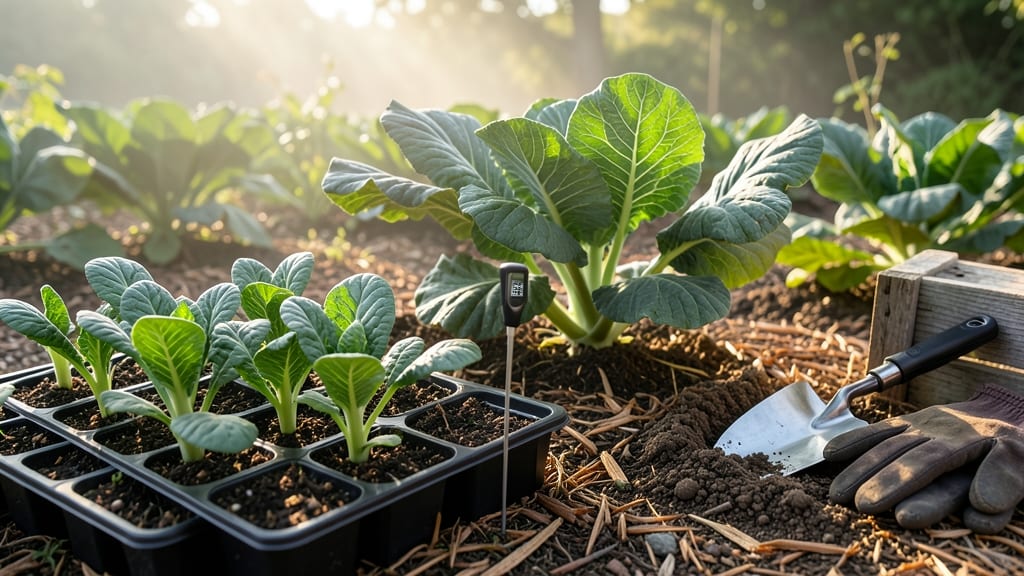
Knowing when to plant collards in Zone 7b can mean the difference between a thriving garden and a sad, bitter harvest. These leafy greens 🥬 love cool weather but bolt when temperatures climb—so timing is everything.
If you've ever planted them too late in summer and ended up with tough, seedy leaves, you're not alone.
In Zone 7b, where last frosts hit around March 15 and first frosts arrive by November 15, your best bets are early spring and late summer plantings.
The key is to start seeds or transplants 6-8 weeks before your first expected frost for a fall harvest, or 4-6 weeks before the last frost for spring greens. This gives your collards enough time to mature before summer's heat sets in.
What makes collards special in Zone 7b? They actually sweeten up after light frost, making fall harvests especially rewarding. But planting too early in spring risks bolting, while late summer plantings need shade protection as temperatures rise.
We'll cover all the tricks to keep your collards happy and productive year-round.
Ready to grow collards that taste like victory? I'll walk you through the exact planting windows, soil prep secrets, and spacing tips that'll have you harvesting dark, tender leaves from October through March. Let's get started!
Optimal collard planting dates in Zone 7b: avoiding frost and heat stress
Collards love cool weather but wilt under Zone 7b’s summer heat, so timing is everything. In my Zone 7b garden, I’ve learned that planting too early or late leads to bitter leaves or slow growth.
The sweet spot? Two planting windows—early spring and late summer—when temperatures stay between 60°F and 75°F.
For a fall harvest, start seeds or transplants 4-6 weeks before your first frost (around August 15–September 1 in Zone 7b). This gives them time to mature before cold snaps.
Conversely, for a spring harvest, plant in March—just as the soil warms but before summer’s peak heat arrives.
Zone 7b’s last frost date typically falls around March 15, but I always wait until mid-April to plant spring collards. This delay prevents heat stress and ensures robust growth before summer’s intensity. Pro tip: Use row covers to extend your planting window by 2-3 weeks if needed.
Here’s the frost-free timeline I follow for collards in Zone 7b:
| Planting Window | Optimal Months | Temperature Range | Key Notes |
|---|---|---|---|
| Early Spring | March–Early April | 50°F–65°F | Start seeds indoors in February for transplants. |
| Late Summer | August–Early September | 60°F–75°F | Avoid planting after September 15—heat stress risks bolting. |
| Fall (Succession) | September–October | 55°F–70°F | Plant every 2–3 weeks for continuous harvests. |
One critical mistake I made early on was planting collards in June or July. Zone 7b’s summer heat (often exceeding 90°F) causes collards to bolt prematurely, turning leaves bitter and tough.
To avoid this, I now use shade cloth during peak afternoon sun if planting in late summer.
For transplants, I buy 6–8 week-old seedlings from local nurseries in early spring. This gives them a head start and ensures they’re large enough to handle Zone 7b’s variable temperatures. Harden them off for 5–7 days before transplanting to prevent shock.
Soil temperature is just as important as air temperature. Collard seeds won’t germinate well in soil below 50°F. I use a soil thermometer to confirm the ground has warmed to at least 55°F before planting. In Zone 7b, this usually aligns with mid-April for spring plantings.
If you’re aiming for a winter harvest, plant collards in late summer (August) so they mature before the first frost. A light frost actually sweetens the leaves, making them ideal for stir-fries or soups.
Just be sure to mulch heavily with straw to protect roots during cold snaps.
Remember: Collards are cold-hardy but heat-sensitive. By sticking to these two planting windows, you’ll avoid the bitter-leaf trap and enjoy tender, sweet collards all season long. 🥬
Optimal collard planting dates in Zone 7b: avoiding frost and heat stress
In Zone 7b, your collard greens will thrive with two key planting windows: early spring and late summer. The secret lies in avoiding both late frosts and summer heat, which can cause bolting or bitter leaves.
For a fall harvest, aim to plant 6-8 weeks before your first frost (typically by August 15), while spring plantings should go in 4-6 weeks before your last frost (around February 15).
Collards are cold-hardy but struggle when daytime temps exceed 80°F. In Zone 7b, this means late summer plantings need shade protection or quick succession planting.
The ideal soil temperature for germination is 60-70°F, so wait until after your last spring frost (around March 15) to start seeds outdoors. For transplants, you can begin 2-3 weeks earlier to jumpstart growth.
Here’s your Zone 7b collard planting timeline at a glance:
| Planting Window | Best Months | Key Considerations |
|---|---|---|
| Early Spring | February–March | Plant 4-6 weeks before last frost (after soil reaches 50°F). Use row covers for frost protection. |
| Late Summer | August–September | Plant 6-8 weeks before first frost. Provide afternoon shade if temps exceed 85°F. |
| Fall Succession | September–October | Stagger plantings every 2 weeks for continuous harvests. Mulch heavily to protect roots. |
For transplants, start with 6-week-old seedlings for faster harvests. Harden them off for 7-10 days before planting to reduce transplant shock. If you’re direct-sowing seeds, plant them ½ inch deep and 1 inch apart, then thin to 12-18 inches apart once they’re 4 inches tall.
This spacing gives leaves room to grow without competing for nutrients.
Pro tip: Use heat-tolerant varieties like ‘Georgia Southern’ or ‘Top Bunch’ for late summer plantings. These hold up better in Zone 7b’s 90°F+ days than standard types. Pair them with companion plants like radishes or bush beans to improve soil health and deter pests.
Remember, collards taste sweeter after frost, so aim for a fall harvest window of October–November. With the right timing, you’ll enjoy tender, flavorful leaves well into winter—no bitter surprises here! 🥬