
Plants
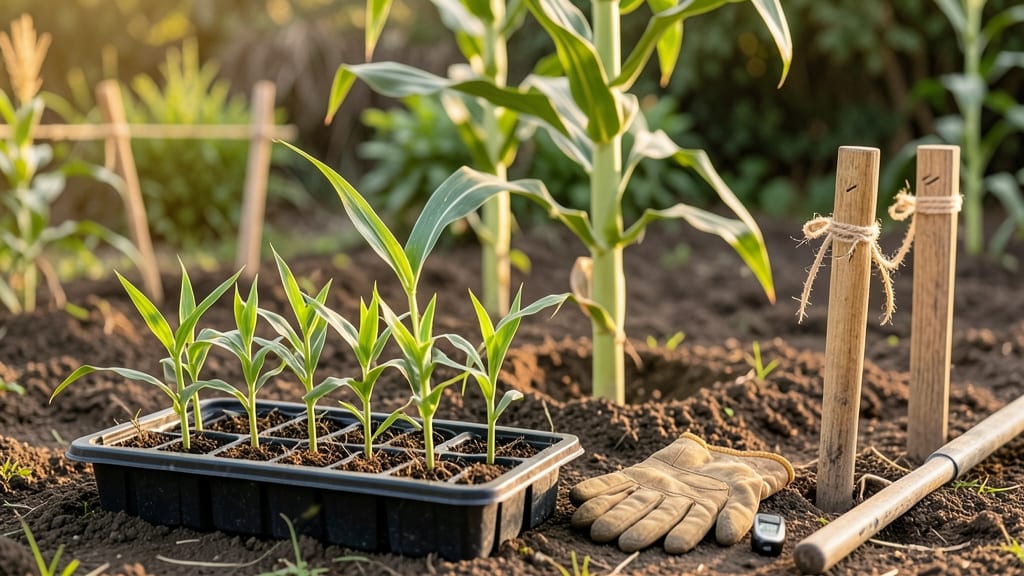
Timing your corn planting in Montana isn’t just about following a calendar—it’s about outsmarting frost, elevation shifts, and Montana’s famously fickle weather. Plant too early, and a late frost could wipe out your 🌽 seedlings before they even sprout. But get it just right, and you’ll be harvesting golden ears by late summer.
Most Montana gardeners know the general rule: wait until mid-May to early June after the last frost. But here’s the catch—your exact deadline depends on whether you’re in Zone 3 (like Big Sky) or Zone 7 (like Great Falls), where frost-free dates can vary by 3 weeks.
Soil temperature matters just as much as the calendar, so we’ll show you how to test it for foolproof results.
This guide cuts through the guesswork with zone-specific deadlines, soil prep secrets, and adjustments for Montana’s microclimates—like why planting in Missoula’s valleys differs from the high plains. You’ll also learn how to spot the perfect planting window, even when Mother Nature throws curveballs.
Ready to turn your Montana garden into a cornfield goldmine? Let’s dive into the exact steps to plant your 🌽 for a harvest that’ll make your neighbors jealous.
Montana corn planting deadlines by USDA Zone: exact dates for frost-free success
Montana’s diverse USDA zones (2-6) create wildly different planting windows for corn. In Zone 2 (e.g., Glacier National Park), you might not have a frost-free window until mid-June, while Zone 6 (e.g., Billings) can start as early as late April.
The key is waiting for soil temperatures above 50°F—cold soil slows germination and invites rot.
Corn is sensitive to frost at all growth stages, so planting too early risks blackened leaves and stunted ears. Most Montana gardeners aim for mid-May to early June as a safe bet, but high-altitude areas (above 5,000 ft) may need to delay until late June.
Always check your local Almanac frost dates or use a soil thermometer for precision.
Here’s the breakdown by zone—plus variety recommendations tailored to Montana’s short season. Early-maturing sweet corn (60-75 days) like 'Early Sunglow' or 'Silver Queen' are your best bets for northern zones, while dent corn (90+ days) thrives in southern Montana’s longer summers.
| USDA Zone | Last Frost Date | Ideal Planting Window | Soil Temp Threshold | Best Varieties |
|---|---|---|---|---|
| Zone 2 (Glacier NP, Libby) | Mid-June | Late June to early July | 55°F+ | 'Early Sunglow' (65 days), 'Golden Bantam' (70 days) |
| Zone 3 (Missoula, Butte) | Late May | Early to mid-June | 50°F+ | 'Silver Queen' (70 days), 'Peaches and Cream' (75 days) |
| Zone 4 (Bozeman, Helena) | Early May | Mid-May to early June | 50°F+ | 'Country Gentleman' (85 days), 'Kandy Korn' (80 days) |
| Zone 5 (Great Falls, Miles City) | Late April | Late April to mid-May | 50°F+ | 'Ambrosia' (85 days), 'Peaches and Cream' (75 days) |
| Zone 6 (Billings, Miles City) | Early April | Early April to late May | 50°F+ | 'Bodacious' (90 days), 'Golden Cross Bantam' (80 days) |
⚠️ Note: High-altitude areas (e.g., near Glacier NP) may need to delay planting by 2-3 weeks.
For popcorn and field corn, which take longer to mature, focus on Zone 5 and 6 where the growing season stretches to 120+ days. Varieties like 'Black Aztec' (110 days) or 'Country Gentleman' (85 days) are excellent choices.
If you’re in Zone 4 or colder, stick to short-season sweet corn or try container growing for earlier harvests.
Pro tip: Use black plastic mulch to warm the soil faster in cooler zones. This can push your planting window 1-2 weeks earlier by raising soil temperatures by 5-10°F. Just remove it once plants emerge to avoid overheating.
Montana’s unpredictable late frosts (even in June!) mean you should always have a row cover ready. If frost threatens after planting, cover seedlings immediately—they’re more resilient than mature plants. And if all else fails, replant with a fast-maturing variety
How to adjust corn planting for Montana’s microclimates and soil conditions
Montana’s diverse landscapes—from the Flathead Valley’s mild pockets to Glacier National Park’s high-altitude chill—create unique challenges for corn growers. Elevation alone can shift your last frost date by weeks, so adjusting your planting strategy is key.
For example, Missoula’s Zone 5 may see frost-free conditions by May 15, while Billings’ Zone 6 could be ready by May 1. Always verify local frost dates using resources like the Montana State University Extension.
Soil temperature is your second critical factor. Corn seeds won’t sprout reliably until the soil reaches 50°F at a depth of 2 inches. In high-elevation areas (above 5,000 feet), this might not happen until late May or early June.
Use a soil thermometer to confirm—planting too soon in cold soil leads to rot or slow germination. Pro tip: Black plastic mulch can warm the soil by 5–10°F, giving you an earlier start in cooler zones.
🌽 Montana Corn Planting Adjustments by Microclimate
- Low Elevation (Zone 6-7): Plant April 20–May 10 (soil temps >50°F by late April). Use early-maturing varieties (60–75 days) for a second crop in July.
- Mid Elevation (Zone 4-5): Wait until May 15–June 1. Choose 75–90-day varieties to avoid early frost. Consider row covers for extra warmth.
- High Elevation (Zone 3-4): Plant June 1–15 only. Opt for 100+ day varieties (e.g., ‘Country Gentleman’) or use greenhouses for earlier starts.
- River Valleys (e.g., Missouri River): Plant 10–14 days earlier than surrounding areas—warmer microclimates extend the season.
- Mountain Slopes: Avoid planting until soil temps stabilize above 55°F; cold air pools at lower elevations overnight.
Montana’s drainage challenges also demand attention. Heavy clay soils in areas like Great Falls can suffocate roots, while sandy soils in Eastern Montana dry out quickly. Amend clay with compost or sand to improve aeration, and mulch sandy soils with straw to retain moisture.
If your garden sits in a low-lying area, expect frost pockets—plant corn on south-facing slopes or use cold frames for seedlings.
For gardeners in hail-prone regions (common in Western Montana), consider trellising corn or planting near windbreaks. Choose drought-tolerant varieties like ‘Golden Bantam’ if your area experiences erratic rainfall.
And if late-spring frosts threaten, have a backup planting plan: sow fast-growing varieties (e.g., ‘Silver Queen’) in protected beds as a hedge against failure.
Finally, don’t overlook companion planting to mitigate risks. Pair corn with beans or squash to improve soil nitrogen and deter pests. Avoid planting near tomatoes or cabbage, which compete for nutrients.
In Zone 3–4, extend the season by planting bush beans alongside corn—they mature faster and can be harvested before frost.
With these microclimate tweaks, you’ll turn Montana’s quirks into advantages. Start small, monitor conditions closely, and don’t hesitate to replant if early frosts strike—your corn’s success depends on flexibility, not perfection. 🌱