
Plants
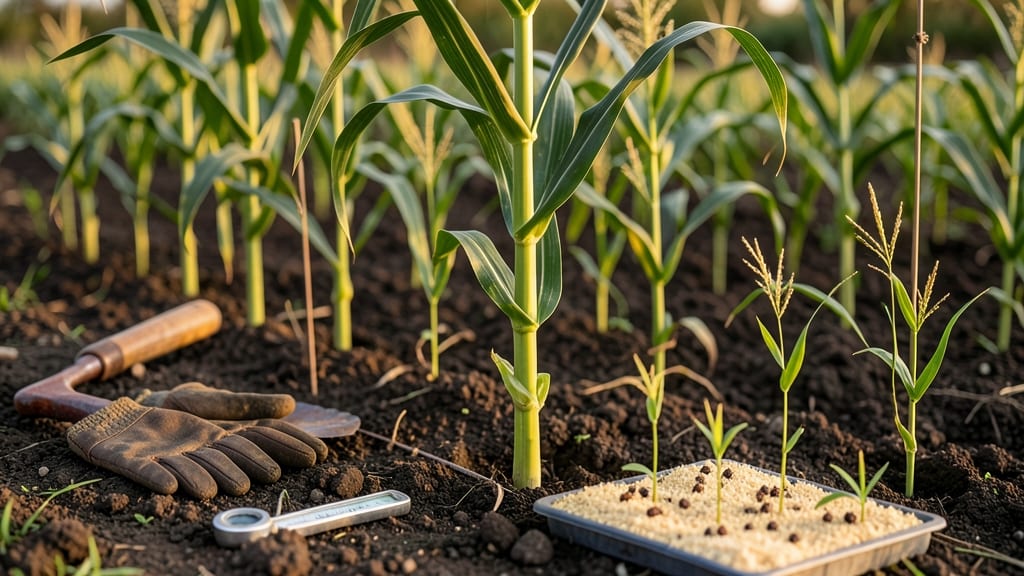
When to plant corn in Zone 7a isn’t just about checking a calendar—it’s about catching that sweet spot between soil warmth and frost-free days that makes all the difference. Skip the guesswork, and you could end up with stunted plants or wasted seeds, no matter how much you love that fresh 🌽 harvest.
Here’s the deal: corn thrives when soil temperatures hit at least 60°F, which in Zone 7a usually means waiting until mid-April to early May—right after your last frost date. Plant too early, and cold soil will stall germination; too late, and you might miss the growing season entirely.
I’ll walk you through the exact timing, soil prep tips, and even how to adjust for early vs. late varieties so you can maximize your yield. Whether you’re a first-time gardener or a seasoned pro, these insights will help you plant with confidence.
Let’s dive into the key deadlines and strategies that’ll turn your garden into a corn lover’s dream—no more second-guessing, just a bumper crop waiting to happen.
Zone 7a corn planting timeline: soil temperature & frost-free deadline
In Zone 7a, timing your corn planting correctly means waiting for soil temperatures to hit 50-60°F and avoiding late frost risks. The average last frost date in Zone 7a falls between April 15 and May 15, but regional microclimates can shift this by weeks.
For example, areas near large bodies of water may experience later frosts, while inland spots warm up faster. Always check your local frost-free date to avoid planting too early—cold soil stunts root growth and delays maturity.
Corn thrives when planted after the soil warms to at least 60°F, which typically occurs in late April to early May in Zone 7a. Using a soil thermometer is the best way to confirm readiness. If you plant too soon, seeds may rot in cold, wet soil.
Conversely, waiting too long risks shorter daylight hours in late summer, which can reduce ear size and sweetness. Balance is key—aim for mid-April to early May for most varieties.
Here’s the critical planting window for Zone 7a gardeners, broken down by key factors:
| Factor | Zone 7a Specification | Actionable Tip |
|---|---|---|
| Soil Temperature | 50-60°F (minimum 60°F for planting) | Use a soil thermometer; wait until morning temps consistently reach 60°F. |
| Last Frost Date | April 15–May 15 (varies by location) | Plant 2 weeks after your average last frost date to account for late surprises. |
| Ideal Planting Window | Mid-April to early May | For short-season varieties, plant on the earlier side; for long-season, wait until late April. |
| Daylength Requirement | 14+ hours of daylight (peak in June) | Avoid planting after mid-June; ears may develop poorly with shorter days. |
| Harvest Window | Late July to October (varies by variety) | Stagger plantings every 2 weeks to extend harvest season. |
If you’re unsure about your local frost dates, consult the USDA Plant Hardiness Zone Map or check with your local cooperative extension office.
For example, in Nashville, TN (Zone 7a), the average last frost is April 10, while in Richmond, VA (Zone 7a), it’s closer to April 20. These differences highlight why soil temperature is more reliable than calendar dates alone.
For gardeners in cooler microclimates within Zone 7a, consider using black plastic mulch or row covers to warm the soil faster. These methods can push your planting window 1-2 weeks earlier by trapping heat. Just be sure to remove covers once plants emerge to prevent overheating.
Alternatively, opt for short-season varieties like ‘Early Sunglow’ (78 days to maturity) or ‘Silver Queen’ (85 days), which mature faster in cooler conditions.
Another pro tip: Stagger your plantings every 2 weeks within the ideal window. This ensures a continuous harvest and reduces the risk of losing your entire crop to pests or weather events.
For instance, plant one batch in late April, another in early May, and a final batch in mid-May. This way, you’ll have ears ready from late July through September, depending on your variety.
Watch for soil moisture as well—corn roots need consistent hydration, especially during tasseling and ear development. If your soil feels dry 2 inches below the surface, water deeply in the morning to avoid fungal issues.
A drip irrigation system or soaker hose is ideal for delivering water directly to the roots without wetting the foliage.
Finally, keep an eye on your corn’s growth stages to time harvests correctly. The silks should turn brown and dry, and kernels should release a milky liquid when pierced.
Harvesting at this stage ensures sweetness and optimal texture. Miss this window, and your corn will turn starchy and tough—so timing starts at planting and ends at harvest!
Zone 7a corn planting timeline: soil temperature & frost-free deadline
Getting your corn seeds in the ground at the right time in Zone 7a means waiting for both soil warmth and the last frost date. Corn thrives when soil temperatures hit at least 60°F, which typically occurs between mid-April and early May in this zone.
Planting too early can stunt growth, while waiting too late risks shorter daylight reducing yields.
In Zone 7a, the average last frost date falls around April 15 to May 15, but this varies by microclimate. For example, areas like Raleigh, NC often see frost-free conditions by April 1, while Lexington, KY may wait until May 1.
Always check your local frost-free date and plan accordingly.
Corn requires 100-120 frost-free days to mature, so timing is critical. If you plant short-season varieties (like Silver Queen or Ambrosia) in late April, you’ll likely get a harvest by early fall. Longer varieties need to go in by mid-May to avoid frost damage.
| Stage | Action | Zone 7a Timeline |
|---|---|---|
| Soil Prep | Test soil pH (6.0-7.0), add compost | February-March |
| Planting | Sow seeds 1" deep, 4-6" apart | Mid-April to early May |
| Germination | Keep soil moist (60-70°F) | 7-14 days |
| Harvest | Pick when silks brown, kernels milky | Late July-October |
Use a soil thermometer to confirm warmth before planting—corn seeds won’t germinate below 50°F. If your soil is still cold in early April, consider starter fertilizers or black plastic mulch to warm it faster.
For container-grown corn, use large pots (at least 12" deep) and place them in the sunniest spot.
Pro tip: If you’re unsure about frost dates, use row covers for early plantings. They can protect young corn from late frosts while allowing sunlight to penetrate. Remove covers once plants reach 6 inches tall to avoid overheating.
Remember, corn loves heat—the more sunlight and warmth, the sweeter the kernels. By following these timelines, you’ll avoid the most common mistakes and enjoy a bountiful harvest in Zone 7a. 🌽