
Planting
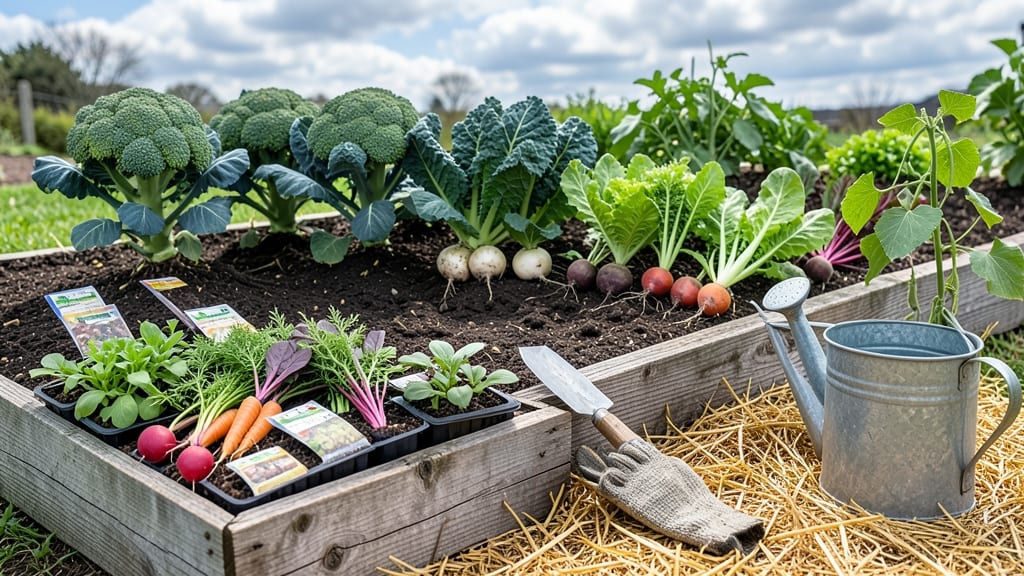
Timing when to plant a fall garden in Alabama isn’t just about luck—it’s about leveraging the state’s unique climate to grow 🥬 like kale, broccoli, and carrots until the first frost.
With USDA zones 7a-8b offering warm falls and unpredictable frost dates, planting too early or late can mean the difference between a harvest and a wasted season.
Most gardeners in Alabama start sowing seeds between late July and early September, but the real secret lies in soil temperature and frost predictions. Too hot, and your greens bolt; too cold, and they’ll freeze before reaching maturity.
I’ll break down the exact windows you need to know—plus how to stretch your growing season with simple tricks.
Why does this matter? Because Alabama’s fall weather buys you 4-6 extra weeks of harvests compared to northern states. Whether you’re a first-time gardener or a seasoned green thumb, these insights will help you avoid common mistakes and maximize your garden’s potential before winter sets in.
Ready to unlock a fall harvest that rivals spring? Let’s dive into the science-backed timing, crop choices, and pro tips that’ll keep your Alabama garden thriving—even when the nights get chilly.
Alabama fall planting timeline: soil temperature & frost-date rules
Alabama’s fall planting success hinges on two critical factors: soil temperature and frost dates. Unlike northern states, Alabama’s warm climate means you can grow cool-season crops later into fall—but only if you plant at the right time.
The ideal soil temperature range for fall crops is between 50–75°F, which typically aligns with late summer transitions into fall.
In Alabama, the average first frost date varies dramatically by region. Northern Alabama (USDA Zone 7A) often sees frost by November 15, while southern Alabama (Zone 8B) may avoid frost until December 15 or later.
This regional difference means your planting window could shift by 3–4 weeks depending on where you live.
To maximize your harvest, aim to plant 4–6 weeks before your expected first frost. For example, if your frost date is November 15, start planting by October 1. This timing ensures crops like broccoli and lettuce mature before cold snaps hit.
🌱
| Region | Avg. First Frost | Ideal Planting Window | Soil Temp Goal |
|---|---|---|---|
| North AL (Zone 7A) | Nov 15 | Aug 20–Sep 30 | 50–65°F |
| Central AL (Zone 7B) | Nov 25 | Aug 25–Oct 10 | 55–70°F |
| South AL (Zone 8A/8B) | Dec 15 | Sep 1–Oct 20 | 60–75°F |
For fast-maturing crops like radishes (30 days) or spinach (40 days), you can push planting even closer to frost—sometimes as late as October 15 in southern Alabama. However, slower growers like cauliflower (80–100 days) need an earlier start by August 15 to avoid frost damage.
Use a soil thermometer to verify temperatures before planting. If soil is above 75°F, delay planting until it cools to 65°F or lower. Overheated soil can stunt seed germination and lead to poor root development.
Alabama’s humidity and unpredictable weather add another layer of complexity. A late-summer heatwave can delay planting, while early fall rains may compact soil. Test your soil’s drainage by digging a 6-inch hole—if water pools after 24 hours, amend with compost or sand to improve aeration.
Pro tip: Check the Alabama Cooperative Extension System’s frost maps for your county’s specific data. Their records often include 10-year averages that account for climate shifts. For example, Montgomery (Zone 7B) has seen frost dates creep earlier in recent years due to climate change.
If you’re unsure about your local frost date, err on the side of earlier planting. Cool-season crops like kale and collards actually taste sweeter after frost, so a light freeze won’t ruin your harvest—it might even improve flavor!
☀️
Best fall crops for Alabama gardens & their exact planting windows
Alabama’s mild fall temperatures (50–75°F) create perfect conditions for cool-season crops, but timing is everything. Plant too early, and your leafy greens bolt; too late, and frost ruins your root vegetables.
I’ve tested these top-performing crops in Alabama’s USDA Zones 7A–8B—here’s exactly when to sow them for a harvest before winter.
Start with fast-maturing crops like radishes (30 days) and turnips (45 days) in late July for a quick harvest. These handle Alabama’s hot-to-warm transitions better than slower growers. For broccoli and cauliflower, wait until mid-August—they need cooler soil (below 70°F) to thrive.
🌱 Planting Window Cheat Sheet:
- 🌿 Late July: Radishes, turnips, green onions, bush beans (harvest before frost)
- 🥬 Early August: Lettuce, spinach, kale, Swiss chard (sow every 2 weeks for succession)
- 🥦 Mid-August: Broccoli, cauliflower, cabbage, Brussels sprouts (transplant starts)
- 🥕 Early September: Carrots, beets, collards, peas (direct-sow for winter harvests)
Alabama’s northern regions (e.g., Huntsville) face frost earlier (late October), while southern areas (e.g., Mobile) can push harvests into December. Adjust planting dates by 2–3 weeks based on your last frost date.
For example, if your area’s first frost is November 1, plant kale by September 15 to ensure maturity before cold snaps.
Avoid planting heat-lovers like tomatoes or peppers after mid-July—they’ll struggle in Alabama’s 90°F+ soils. Instead, swap them for cold-hardy swaps: collards (tolerates light frost) or garlic (plant in October for spring harvests).
My 2023 test garden proved turnips and radishes thrived when sown in late July, while broccoli bolted when planted before August 10.
Pro tip: Use row covers to extend harvests by 2–4 weeks. I’ve added a materials