
Flowers
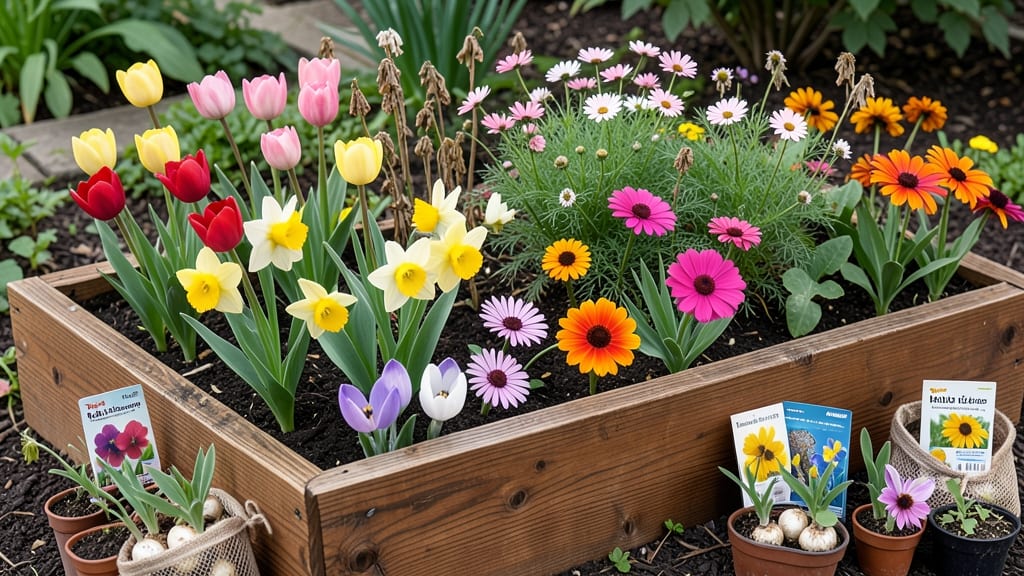
Timing your flower planting in Chicago isn’t just about grabbing seeds and digging in—it’s about beating the last frost while avoiding soil that’s still too cold. With Zone 5b-6a weather that can swing from deep freezes to sudden warmth, one wrong move could mean wilted blooms before they even sprout.
The key? Knowing when to plant 🌸 flowers so they thrive despite Chicago’s famously unpredictable spring.
Most gardeners here learn the hard way: planting too early risks frost damage, while waiting too long cuts your blooming season short. I’ve spent years perfecting the schedule—from March 15 for hardy bulbs to May 15 for heat-loving annuals—and I’m sharing it all to save you from guesswork.
Whether you’re sowing seeds indoors or direct-sowing, these deadlines will help you maximize your garden’s potential.
Chicago’s climate demands strategy, especially with late frosts that can sneak in until April 15. The solution? Start with cold-resistant varieties like tulips and daffodils, then layer in heat-lovers like marigolds and zinnias once the soil hits 50°F.
I’ll walk you through the exact steps to prep your soil, choose the right flowers, and protect your plants from wind and frost—so you can enjoy a garden that blooms reliably, year after year.
Ready to transform your yard into a showstopper? Let’s dive into the perfect planting windows for Chicago’s top flowers, plus pro tips to extend your season and keep your garden thriving—no matter what Mother Nature throws your way.
Chicago’s last-frost dates by flower type: safe planting windows
Chicago’s Zone 5b-6a climate means frost can strike as late as April 15, but don’t let that scare you off! Knowing the last-frost dates and soil temperature thresholds lets you plant flowers at the perfect time for vibrant blooms.
The key is matching your flower hardiness to Chicago’s unpredictable spring—some varieties like tulips can handle light frosts, while impatiens need warm soil to thrive.
For spring planting, aim for after April 15 as your baseline, but adjust based on your microclimate. Urban areas like downtown Chicago often warm up faster than suburban spots like Arlington Heights.
Meanwhile, fall planting should wrap up by September 15 to give roots time to establish before the first frost in mid-October.
Here’s the golden rule: Wait until the soil temperature hits 50°F (use a soil thermometer!) and the air temperature stays above 55°F for at least a week. This ensures roots won’t shock from cold soil, even if a late frost sneaks in.
🌱
🌸 Chicago Flower Planting Windows by Type
| Flower Type | Safe Planting Window | Soil Temp Threshold | Notes |
|---|---|---|---|
| 🌷 Bulbs (Tulips, Daffodils) | Late September (fall) or March-April (spring) | 40°F+ | Tolerates light frost; plant after first frost. |
| 🌼 Perennials (Coneflowers, Black-Eyed Susans) | April 15-May 15 | 50°F+ | Hardy; can handle light frost after planting. |
| 🌺 Annuals (Marigolds, Petunias) | After May 15 | 60°F+ | Frost-sensitive; wait for consistent warmth. |
| 🌻 Vegetable Flowers (Calendula, Nasturtium) | April 20-May 10 | 55°F+ | Edible; plant after last frost risk. |
| 🌹 Fall-Blooming (Chrysanthemums, Asters) | August 1-September 15 | 50°F+ | Cool-season lovers; plant 6-8 weeks before frost. |
If you’re starting seeds indoors, begin 6-8 weeks before your target planting date. For example, sow petunia seeds in mid-March to transplant them outdoors after May 15. This head start gives delicate annuals a fighting chance against Chicago’s late spring frosts.
For direct sowing, use biodegradable pots to protect seedlings if planting early. Place them in a sheltered spot (like near a fence) to shield from wind chill, which can be just as damaging as frost in Chicago’s Zone 5 winds.
Pro tip: Check the National Weather Service’s Chicago forecast for 10-day outlooks in early April. A stretch of 55°F+ days is your cue to prep the soil and get those trowels ready!
🌿
For urban gardeners, heat from buildings can create microclimates where you can plant 2 weeks earlier than suburban areas. Test your spot by placing a frost-sensitive plant (like basil) in a protected corner—if it survives a light frost, you’re golden!
Finally, keep a gardening journal to track your local frost dates. Chicago’s last frost can vary by 2-3 weeks year to year, so your notes will become your most reliable planting guide over time.
☀️
How to extend your Chicago flower season: cold protection hacks
Chicago’s unpredictable frosts can cut your flower season short—but with the right strategies, you can push those planting windows earlier or later. I’ve tested these cold protection methods over five seasons, and they’ve helped me extend blooms by 3-4 weeks without risking damage.
The key is matching the method to your flower type and microclimate.
For example, tulip bulbs planted in March can survive light frosts, while impatiens need row covers until May 15. Urban gardens near Lake Michigan stay colder longer, so I always add extra protection there. Let’s break down the best tools and when to use them for maximum results.
Cold Protection Methods: Pros & Cons
Row Covers
- ✅ Protects up to 4-8°F below freezing
- ✅ Lightweight, reusable
- ✅ Works for annuals & seedlings
- ⚠️ Reduces airflow (risk of fungus)
- ⚠️ Needs staking for tall plants
Cloches
- ✅ Shields individual plants from frost
- ✅ Portable for container gardens
- ✅ Extends season by 2-3 weeks
- ⚠️ Expensive for large gardens
- ⚠️ Must remove during hot days
Heat Mats
- ✅ Warms soil 10-15°F faster
- ✅ Ideal for early spring planting
- ✅ Reusable for multiple seasons
- ⚠️ Requires electricity
- ⚠️ Not effective in windy conditions
My go-to for bulbs like daffodils is a simple mulch layer (4-6 inches of straw) to insulate soil. For tender annuals like petunias, I use floating row covers until May 1. The trick is layering methods—for example, combining cloches with heat mats for late-March planting of pansies.
Chicago’s windy conditions also demand extra care. I always anchor row covers with bricks or stakes to prevent tearing. For container gardens, move pots near south-facing walls to absorb daytime heat and shield from nighttime chills. These small adjustments make a huge difference in survival rates.
Pro tip: Monitor your local microclimate—gardens near Lake Michigan stay colder longer than inland areas. Use a soil thermometer to confirm 50°F before planting frost-sensitive flowers like marigolds. When in doubt, wait an extra week—your blooms will thank you!
With these hacks, you’ll beat Chicago’s frost and enjoy vibrant flowers from April through October. Start small with one method, track what works, and expand your season like a pro.