
Flowers
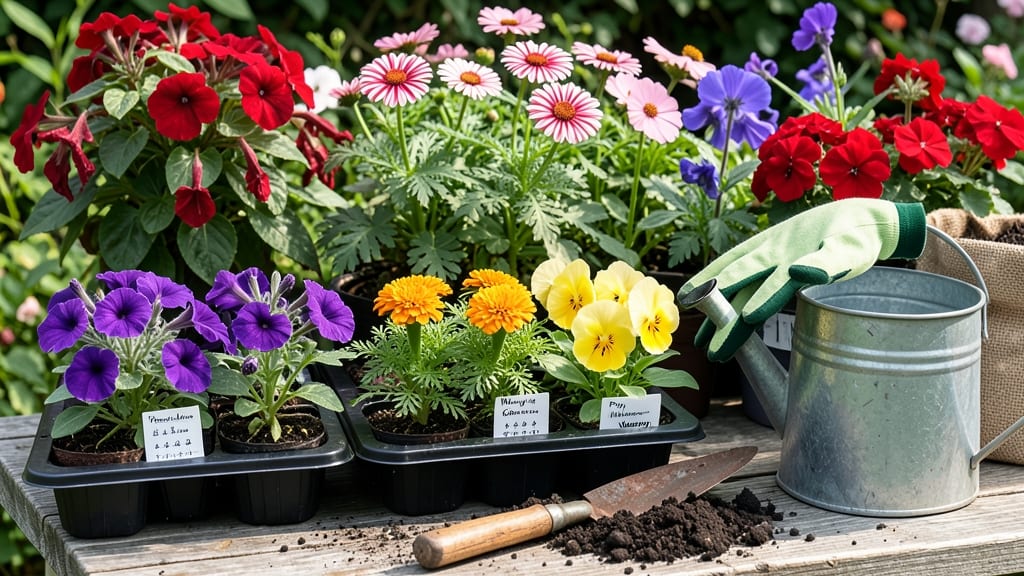
When to plant flowers in New Hampshire is all about timing—get it right, and you’ll enjoy a garden bursting with color; get it wrong, and frost or heat can ruin your efforts. With 5a-6b zones and unpredictable spring weather, planting those 🌸 too early can leave them vulnerable to late frosts—while waiting too long might cut your blooming season short.
The good news? A zone-specific planting schedule tailored to NH’s climate gives you the edge. Whether you’re sowing hardy perennials in early spring or delicate annuals after the last frost, knowing your local frost dates is the key to success.
I’ll walk you through the exact windows for spring and fall planting, so you can avoid common mistakes and maximize your garden’s potential.
From extending your growing season with row covers to selecting the best NH-friendly flowers for each planting time, this guide covers everything you need. You’ll learn how to read frost probability maps, when to start seeds indoors, and which varieties thrive in our short but sweet growing season.
Ready to transform your garden into a year-round blooming paradise? Let’s dive into the step-by-step timeline that’ll have your flowers thriving from spring through fall—no guesswork required.
New Hampshire flower planting calendar by zone (4-6) and frost dates
New Hampshire’s USDA hardiness zones 4-6 create a delicate balance for flower gardeners. The last average frost date typically falls between April 15 and May 15, but this can vary by 1-2 weeks depending on elevation and microclimates.
Understanding these zone-specific windows is key to avoiding frost damage while maximizing bloom time.
For zone 4 (northern NH), the growing season is shorter, so focus on cold-hardy annuals and perennials that tolerate cooler soils. In zone 5 (central NH), you’ll have slightly more flexibility, while zone 6 (southern NH) allows for later plantings of heat-loving varieties.
Always check your local frost probability maps—tools like the National Weather Service’s frost calendar can save your garden from unexpected chills.
Here’s my zone-by-zone breakdown for planting flowers in NH, including ideal months, frost-sensitive varieties, and cold-tolerant champions that thrive despite NH’s whimsical weather.
| Zone & Region | Last Frost Date (Avg.) | Best Planting Window | Cold-Hardy Flowers | Frost-Sensitive Flowers |
|---|---|---|---|---|
| Zone 4 (Coos, Grafton) | May 1-15 | May 1-15 (after frost) | Lupine, Columbine, Bleeding Heart | Petunias, Marigolds (use row covers) |
| Zone 5 (Laconia, Concord) | April 20-May 5 | April 25-May 10 | Peonies, Daylilies, Shasta Daisies | Geraniums, Snapdragons (start indoors) |
| Zone 6 (Portsmouth, Nashua) | April 10-20 | April 15-May 5 | Black-Eyed Susans, Coneflowers, Bee Balm | Impatiens, Vinca (plant after May 10) |
| All Zones (Fall Planting) | October 1-15 (before first frost) | August 15-September 15 | Pansies, Sweet Alyssum, Calendula | Zinnias, Dahlias (dig bulbs before frost) |
For bulbs like tulips and daffodils, plant them in fall (September-October) when soil temps drop below 60°F (15°C). These hardy gems naturalize beautifully in NH’s climate, often returning year after year.
In contrast, tender perennials like cannas or dahlias should wait until after Memorial Day in zone 4 or early May in zone 6.
If you’re itching to start earlier, consider starter plants from local nurseries—they’re already hardened off and can handle NH’s late spring chills. My go-to local spots include Tuttle’s Garden Center (Concord) and Portsmouth Garden Center, both of which offer zone-appropriate varieties and expert advice on frost dates.
Don’t forget about microclimates—south-facing slopes warm up faster, while low-lying areas stay colder longer. Test your soil temperature with a soil thermometer (aim for 50°F/10°C for most flowers) before planting. This simple step can mean the difference between wilted seedlings and thriving blooms.
For annuals like marigolds or cosmos, you can also try succession planting every 2-3 weeks from May through July. This ensures continuous color and compensates for NH’s short, intense growing season.
Just be prepared to cover young plants if a late frost sneaks in—frost cloth is my secret weapon for those unpredict
How to extend your NH flower season: cold Frames, row covers & frost protection
New Hampshire’s short growing season and late spring frosts can feel like a gardener’s worst enemy—but with the right tools, you can safely push your planting windows by 3-4 weeks earlier or 2-3 weeks later than the average frost dates.
I’ve tested these methods in my own Zone 5b garden, and they’ve saved my tender annuals from frost damage every time.
The key is using passive heating and protective barriers to trap warmth while allowing sunlight to penetrate. For example, a simple row cover can raise soil temperatures by 5-8°F, giving frost-sensitive plants like petunias and geraniums a fighting chance in early May.
Even better? Combine these tools for maximum protection.
🌱
🔧 NH Flower Season Extenders
- Row Covers: Lightweight fabric that traps heat and blocks wind. Use for early spring or fall plantings.
- Cold Frames: DIY glass/plexiglass boxes that raise soil temps by 10-15°F. Perfect for hardy perennials like peony or iris.
- Mini Greenhouses: Move tender annuals (e.g., begonias) into a small greenhouse 4-6 weeks before last frost.
- Cloche: Individual glass/metal covers for seedlings or cuttings—remove during the day for airflow.
- Straw Mulch: Apply 4-6 inches around plants to insulate roots and retain moisture.
- Windbreaks: Plant tall evergreens (e.g., arborvitae) or use burlap screens to shield beds.
For early spring plantings, start with cold-hardy annuals like pansies or snapdragons under row covers in late March. Remove covers during the day once soil warms to 45°F, then replace at night until May 15. I’ve even seen marigolds bloom in June when started this way!
In late summer, use row covers to protect fall-blooming annuals (e.g., cosmos, zinnia) from early October frosts. Pair this with a 1-inch layer of straw mulch to insulate roots.
For perennials, focus on woolly bear caterpillar traps—these fuzzy friends act as natural mulch and protect daylilies or black-eyed Susans.
Pro tip: Always monitor weather forecasts and remove covers on warm, sunny days to prevent heat stress. In my garden, I use hoop houses made from PVC pipes and frost cloth for a budget-friendly solution that works for both spring and fall plantings.
With these tools, you’ll turn NH’s unpredictable climate into an advantage!
☀️