
Trees
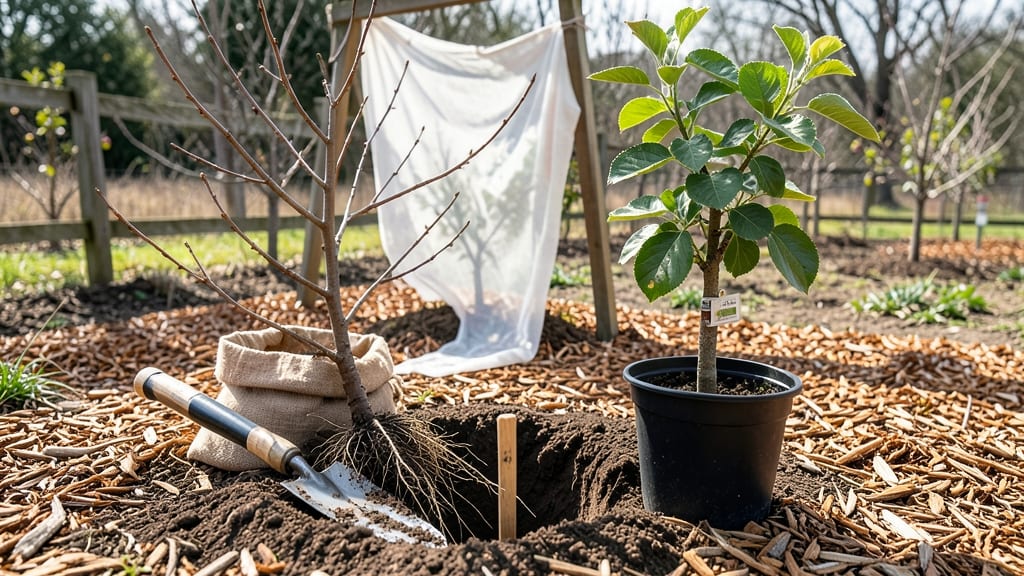
Timing your fruit trees 🍎 planting in Northern California could mean the difference between a thriving orchard and years of frustration—especially with the region’s wild swings from coastal fog to inland heatwaves.
You’ve got three distinct zones to consider: coastal areas like Santa Cruz (USDA 9b-10a), inland valleys such as Sacramento (8a-9a), and the cooler foothills near Redding (7b-8b). Planting too early in foggy coastal zones risks root rot, while inland areas demand a more precise window to avoid late-season frosts.
In this guide, I’ll break down the exact months to plant—February-March for coastal and March-April inland—plus soil prep secrets and how to spot common mistakes that even experienced gardeners make.
Let’s get your fruit trees off to the strongest start possible, no matter where you’re planting in the Golden State.
Northern California microclimate planting windows: coastal vs. valley vs. foothills timing
Northern California’s diverse microclimates create unique planting windows for fruit trees. The coastal fog belt (e.g., Santa Cruz) allows earlier planting, while inland valleys (e.g., Sacramento) require later timing to avoid frost. Foothills regions (e.g., Chico) demand careful timing due to rapid temperature shifts.
Understanding these zones ensures your tree establishes strong roots before summer heat arrives.
For coastal areas (USDA zones 9b-10a), the ideal window spans February through March.
The mild winters and delayed frost mean you can plant bare-root trees as early as late January if soil temperatures stay above 45°F. Citrus trees and figs thrive here but need protection from sudden cold snaps.
In inland valleys (USDA zones 8a-9a), aim for March through early April. These areas experience harder frosts and warmer days, so planting too early risks transplant shock. Stone fruits like peaches and plums need chill hours (300-700) to set fruit, making timing critical.
Foothills and mountain regions (USDA zones 7b-8b) should plant late March to early April. The shorter growing season and cooler nights mean trees need extra time to establish before summer drought sets in. Apple and pear trees do well here but require well-draining soil to prevent root rot.
| Microclimate | USDA Zone | Best Planting Months | Soil Temp Threshold | Key Considerations |
|---|---|---|---|---|
| Coastal (Santa Cruz, San Francisco) | 9b-10a | February - March | 45°F+ | Fog protection, citrus-friendly |
| Inland Valleys (Sacramento, Stockton) | 8a-9a | March - Early April | 50°F+ | Chill hours for stone fruits |
| Foothills (Chico, Redding) | 7b-8b | Late March - Early April | 55°F+ | Well-draining soil, shorter season |
Always check your local last frost date—coastal areas like San Francisco average frost-free by January 15, while inland Sacramento waits until February 15. Use the UC Master Gardener Program for hyper-local advice, as microclimates can vary even within cities.
For container-grown trees, you have more flexibility—plant anytime in coastal zones (November-March) since roots aren’t disturbed by frost. However, bare-root trees must go in during dormancy to minimize stress. Avoid planting when soil is waterlogged or drought-stressed, as both conditions stunt root growth.
Pro tip: Amend your soil with compost and mycorrhizal fungi before planting. Northern California’s clay-heavy soils (common in valleys) benefit from sand or perlite to improve drainage. Citrus trees especially hate soggy roots, so raise beds slightly if your soil drains poorly.
After planting, mulch heavily (3-4 inches) to retain moisture and regulate soil temperature. Drip irrigation is ideal—it delivers water directly to roots without wetting foliage, reducing fungal diseases like peach leaf curl, which thrives in Northern California’s damp springs.
Remember: Spring-blooming trees (like cherries) need chill hours to flower properly. If your area gets fewer than 300 chill hours (common in coastal zones), choose low-chill varieties like Santa Rosa plums or Lemonade peaches.
🌱
Critical factors that determine your fruit tree’s first growing season success
Beyond just picking the right month, your fruit tree’s first year hinges on three critical factors: proper root flare depth, understanding dormancy requirements for your specific variety, and mastering irrigation timing to prevent transplant shock. Skip these, and even the best planting window won’t guarantee success.
First, the root flare—that swollen area where roots meet the trunk—must sit just above soil level. Burying it too deep suffocates roots, while planting too high leaves them vulnerable to drying. Use a level tool to check depth before backfilling with native soil mixed with compost.
Next, dormancy needs vary wildly. Stone fruits like peaches and plums need 300-700 chill hours below 45°F, while apples and pears thrive with 200-500 hours. Coastal areas often lack sufficient chill—check your local USDA zone and choose varieties bred for your microclimate, like ‘Redhaven’ peaches for inland zones.
Finally, irrigation timing makes or breaks root establishment. Water deeply but infrequently—aim for 15-30 gallons per tree—and always in the early morning to reduce fungal risks. Avoid overhead sprinklers, which can spread disease. Mulch with 3-4 inches of wood chips to retain moisture and regulate soil temperature.
One mistake I see often is overwatering in the first few weeks. While consistent moisture is key, soggy soil drowns roots and invites rot. Test soil moisture by sticking your finger 2 inches deep—if it’s damp, wait another day.
For container-grown trees, reduce watering by 30% compared to bare-root varieties.
Pro tip: Mulch immediately after planting with wood chips or straw. This keeps roots cool in summer and insulated in winter, while also suppressing weeds that compete for water. Just keep mulch 6 inches away from the trunk to prevent moisture buildup that causes rot.
By nailing these three factors—root flare depth, chill hour compatibility, and smart irrigation—you’ll give your fruit trees the best shot at a robust first year, no matter where you are in Northern California’s diverse climate zones. 🌿