
Trees
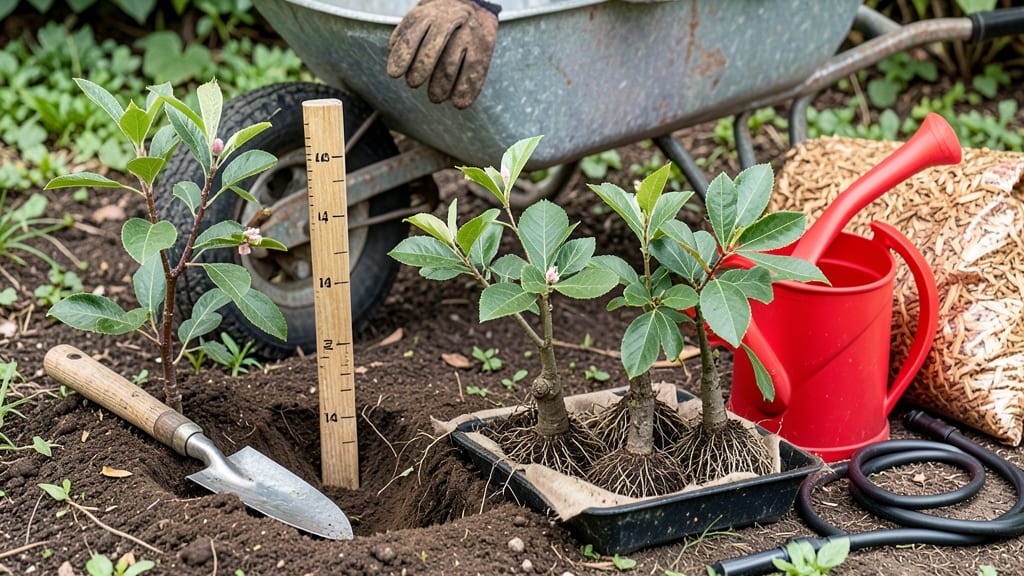
The best time to plant fruit trees in Texas isn't one-size-fits-all—it depends on your region's chill hours and frost patterns. Whether you're in North Texas with its crisp winters or South Texas's balmy climate, getting the timing right means the difference between a thriving orchard and a sad, struggling 🌱.
I've seen firsthand how a single week's miscalculation can ruin a fruit tree's chances of survival, especially when dealing with varieties like peaches that need precise chill-hour exposure.
Texas spans three distinct chill-hour zones, each with its own ideal planting window. In cooler North Texas (zones 7-8), fall planting gives young trees time to establish roots before winter's chill. Meanwhile, South Texas (zones 9-10) gardeners often plant in late winter to avoid summer's brutal heat stress.
The key is matching your fruit tree's chill requirements with your local microclimate—something I'll break down by variety so you can make confident decisions.
What most gardeners miss is that soil temperature matters just as much as air temperature. Planting too early when the ground is still cold can stunt root growth, while waiting too long might expose your tree to summer's intense heat.
I'll share the exact soil temperature thresholds for each fruit type and how to prepare your planting site for maximum success, whether you're working with native Texas soil or container growing for urban spaces.
Once you've got the timing down, the real work begins with post-planting care. Proper watering, mulching, and even pruning techniques can make or break your fruit tree's first few critical years.
Let me walk you through the complete process—from selecting the right rootstock for your Texas soil to protecting young trees from our unpredictable freeze events. Your future harvests depend on getting these details right from day one.
Texas fruit tree planting calendar by chill-hour zones
Texas spans three distinct chill-hour zones, each demanding different planting strategies for fruit trees. The North Texas Panhandle (700+ chill hours) can handle traditional peaches, while South Texas (0-300 chill hours) thrives with citrus and figs.
Timing isn’t just about seasons—it’s about soil temperature and moisture balance to prevent transplant shock.
For North Texas gardeners (USDA Zones 7-8), late winter to early spring—February through March—is ideal when soil temps hit 60°F. In Central Texas (Zones 8-9), shift to March through April to avoid late frosts.
Meanwhile, South Texas (Zones 9-11) can plant year-round, but fall (September-November) minimizes heat stress.
Here’s how Texas’ chill-hour zones break down for optimal planting:
| Zone | Chill Hours | Best Planting Window | Soil Temp | Moisture Needs |
|---|---|---|---|---|
| North Texas | 700+ | Feb–Mar | 60°F+ | Deep watering |
| Central Texas | 300–700 | Mar–Apr | 55°F+ | Consistent moisture |
| South Texas | 0–300 | Sep–Nov | 70°F+ | Drought-tolerant |
🌱 Pro Tip: Use a soil thermometer to confirm temps before planting.
In North Texas, prioritize bare-root trees in late winter. The root system establishes faster in cooler soil, while above-ground growth waits for warmth. For Central Texas, container-grown trees planted in spring reduce transplant shock. South Texas gardeners should avoid summer planting—heat stress stunts root growth.
Citrus trees in South Texas need well-draining soil to prevent root rot. Amend clay soil with compost and sand before planting. Peach trees in North Texas benefit from a mulch ring to retain moisture and regulate soil temperature. Always plant 2–3 inches deeper than the root flare for stability.
Urban gardeners in Houston or Dallas can plant in containers year-round, but use fast-draining mixes and 15-gallon pots minimum. Dwarf varieties like ‘Halford’ peach or ‘Improved Meyer lemon adapt well to balcony gardens. Just ensure pots get full sun and weekly deep watering.
After planting, water deeply for the first two weeks, then taper to once weekly once leaves appear. Avoid overhead watering—it spreads fungal diseases like brown rot in peaches. In South Texas, drip irrigation is ideal to conserve water during 100°F+ summers.
Monitor for aphids and scale insects, common in Texas fruit trees. A hose blast or neem oil spray keeps pests in check without chemicals. For citrus, watch for citrus leaf miner—remove affected leaves immediately.
First-year fruit trees need minimal pruning. Focus on structural shaping in late winter. Remove suckers (shoots from the base) and dead branches to direct energy to root growth. By year three, you’ll see first harvests—if you’ve matched your variety to the right zone!
🌿
Best fruit tree varieties for Texas by maturity speed
Texas gardeners have unique opportunities to grow fruit trees that thrive in our diverse climates, but not all varieties mature at the same pace. Fast-growing options like muscadine grapes can produce fruit in 2-3 years, while traditional peaches may take 4-5 years to bear fruit.
Choosing the right variety depends on your patience and regional chill hours.
For North Texas (higher chill hours), cold-hardy varieties like Elberta peaches or Laredo plums are excellent choices. These trees handle 300-700 chill hours and reward you with fruit within 3-4 years.
Meanwhile, South Texas gardeners should focus on low-chill varieties like TropicSweet oranges or Cherokee black cherries, which thrive with 0-300 chill hours.
If you're eager for quick rewards, fig trees and pomegranates are fantastic options. They often produce fruit in 1-2 years and require minimal chill hours, making them perfect for urban containers or small yards. Just ensure they get full sun and well-draining soil to thrive.
🌱 Texas Fruit Tree Varieties by Maturity Speed
| Variety | Chill Hours | First Fruit (Years) | Best For |
|---|---|---|---|
| Muscadine Grapes | 0-300 | 2-3 | South Texas, containers |
| TropicSweet Orange | 0-200 | 3-4 | Urban areas, heat zones |
| Elberta Peach | 300-700 | 4-5 | North Texas, full sun |
| Fig Tree (Celeste) | 0-500 | 1-2 | Containers, small spaces |
| Cherokee Black Cherry | 200-500 | 3-4 | Central Texas, wildlife-friendly |
For long-term investments, consider persimmon trees or loquat trees, which may take 5-6 years to mature but offer decades of fruit. These trees are perfect for gardeners willing to wait for a reliable harvest and love the idea of shade-providing giants in their landscape.
Don’t forget about dwarf varieties if space is limited. Dwarf apple trees like Dorsett Golden produce fruit in 3-4 years and stay under 8 feet tall, making them ideal for backyard orchards or container growing. Just ensure they’re planted in well-amended soil to support their smaller root systems.
No matter which variety you choose, always check local nurseries for Texas-specific rootstocks to ensure compatibility with our native soils. Happy planting—your future harvests will thank you! 🌳