
Trees
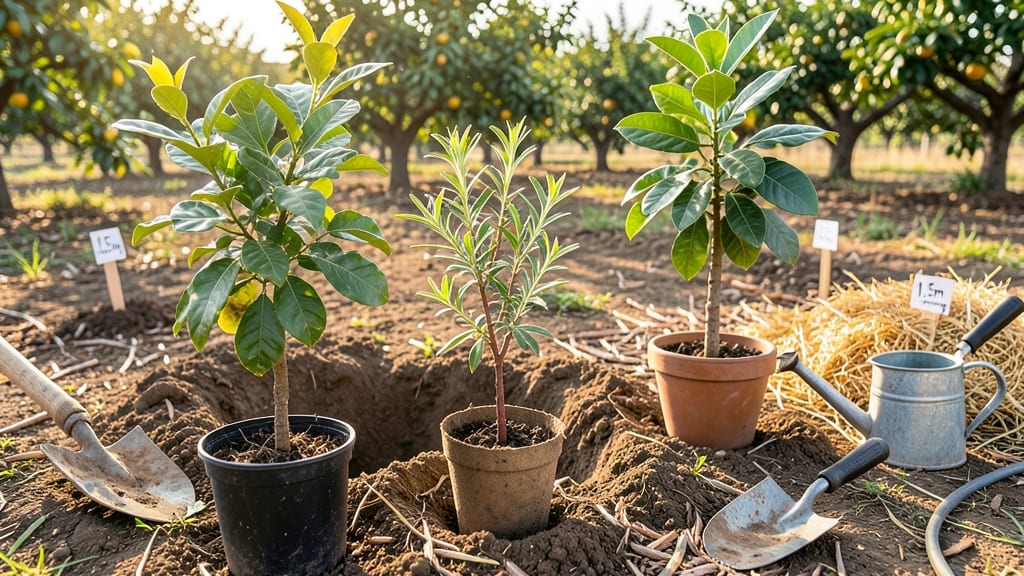
Planting your 🍎 fruit trees at the wrong time in South Africa could mean waiting years for that first harvest—or worse, losing your young saplings to unexpected frost. The secret to success lies in understanding your region's climate quirks, whether you're in frost-prone Johannesburg or the milder Cape Town.
Most gardeners in zones 9a-10a know late winter to early spring (August-September) is ideal, but what if you're growing citrus versus stone fruits? The timing shifts dramatically, and getting it right means the difference between thriving orchards and struggling starts.
I'll show you exactly when to plant each type for maximum growth.
We'll break down the science behind South Africa's two main rainfall patterns—summer and winter—and how they affect your planting schedule. You'll discover why some trees need to go in the ground before May's last frost, while others can wait until the soil warms in March. No more guessing games.
Ready to transform your backyard into a productive orchard? Let's dive into the climate-smart planting calendar that'll have your fruit trees bearing bounty in record time—without the common mistakes that trip up even experienced growers.
Best planting months for fruit trees by south african climate zone
South Africa's diverse climate zones mean your fruit tree's ideal planting window depends heavily on where you live. The country's three primary zones—subtropical, temperate, and arid—each have distinct frost patterns and rainfall cycles that dictate the best time to plant.
In subtropical regions like KwaZulu-Natal, you can plant year-round, but spring (August-October) is optimal for most varieties. Meanwhile, temperate areas like the Western Cape and Gauteng require careful timing to avoid late frosts, while arid zones like the Northern Cape demand early planting to establish roots before summer heat.
For citrus trees, which thrive in warmer climates, the best window is late winter to early spring (August-September). This timing gives young trees time to establish roots before the hot, dry summer months.
In contrast, stone fruits like peaches and plums prefer late winter planting (July-August) in cooler regions, allowing them to break dormancy naturally with spring's arrival. Understanding these regional differences is key to avoiding common mistakes that can delay fruiting by years.
🌱 Did You Know? South Africa's summer-rainfall vs. winter-rainfall divide creates two distinct planting strategies. In winter-rainfall areas (Western Cape), plant in spring (September-October) to capitalize on early rains, while summer-rainfall regions (Eastern Cape) benefit from late winter planting (August) to avoid dry spells.
🌍 South African Climate Zones & Optimal Planting Windows
| Climate Zone | Key Features | Best Planting Months | Avoid Planting | Example Regions |
|---|---|---|---|---|
| Subtropical | Hot summers, mild winters, year-round growth | August-October (spring) | December-February (peak heat) | KwaZulu-Natal, Mpumalanga |
| Temperate | Distinct seasons, frost risk in winter | September-October (spring) | June-August (frost season) | Western Cape, Gauteng |
| Arid/Semi-Arid | Hot, dry summers, minimal winter rain | April-May (early autumn) | November-January (extreme heat) | Northern Cape, Free State |
💡 Pro Tip: Always check your local last frost date—Johannesburg's last frost is typically mid-August, while Cape Town rarely experiences frost.
In subtropical regions, where frost is rare, you can plant citrus trees almost any time, but August-September gives them the best start. These trees thrive in well-draining soil and full sun exposure, so preparing the planting site with compost and organic matter is essential.
For stone fruits like plums and apricots, timing is critical—plant in late winter (July-August) to ensure they're established before the spring flowering period begins.
For deciduous fruit trees such as peaches and pears, spring planting (September-October) is ideal in temperate zones. These trees enter dormancy in winter, so planting in spring allows them to break dormancy naturally with the warmer weather.
In arid regions, where water is scarce, planting in early autumn (April-May) helps trees establish roots before the hot, dry summer arrives. This timing also reduces competition from weeds and conserves moisture.
Soil preparation is just as important as planting time. In sandy soils common in arid regions, mix in organic compost to improve water retention, while clay soils in subtropical areas benefit from gypsum to enhance drainage.
Always test your soil's pH level—most fruit trees prefer a slightly acidic to neutral pH (6.0-7.0), though citrus thrives in slightly acidic soil (5.5-6.5). Adjusting pH before planting can prevent nutrient deficiencies that stunt growth.
One common mistake is planting too late in frost-prone areas. For example, in Gauteng, planting after mid-September risks exposing young trees to unexpected late frosts. Similarly, in arid regions, planting too early can lead to water stress before roots are established.
Always align your planting with local weather patterns—consult your nearest agricultural extension office for region-specific advice.
If you're planting bare-root trees, do so as soon as possible after purchase—they dry out quickly. For container-grown trees, you have slightly more flexibility but still aim for the
Best planting months for fruit trees by south african climate zone
South Africa's diverse climate zones mean your fruit tree planting schedule should align with either summer rainfall or winter rainfall patterns. In summer-rainfall areas like KwaZulu-Natal and Mpumalanga, aim for planting between March and May when soils are moist but frost risk has passed.
Meanwhile, winter-rainfall regions such as the Western Cape benefit from August-September planting to capitalize on spring rains.
The key is avoiding frost-sensitive periods. For example, citrus trees planted in Johannesburg (USDA 9a) must go in before May 15, while Cape Town's frost-free window extends planting until June 30.
Each zone's last frost date acts as your deadline—plant too late, and young roots may struggle to establish before winter.
🌱 South Africa's Fruit Tree Planting Calendar by Climate Zone
| Climate Zone | Best Planting Months | Key Considerations | Frost Risk |
|---|---|---|---|
| Summer Rainfall (KZN, Mpumalanga) | March - May | Soil moisture from rains; avoid waterlogged conditions | Low (June frost rare) |
| Winter Rainfall (Western Cape) | August - September | Spring rains boost root growth; full sun exposure | None (frost-free) |
| Temperate (Gauteng, Free State) | August - Early September | Plant before May frost; well-draining soil critical | High (May-June) |
| Arid (Northern Cape) | February - March | Irrigation essential; drought-resistant varieties preferred | Low (occasional winter frost) |
In summer-rainfall zones, prioritize March planting for citrus and subtropical fruits to ensure roots establish before the dry winter. Meanwhile, stone fruits like peaches thrive when planted in August-September—their dormancy period aligns perfectly with winter rains in temperate regions.
Always test your soil pH beforehand; citrus needs 6.0-7.0, while stone fruits prefer 6.0-6.5.
Pro tip: Container-grown trees can be planted slightly later (up to October in frost-free zones) since their root systems are less vulnerable to temperature swings. Just ensure they're hardened off for 2 weeks before transplanting to reduce shock.
For avocado trees, timing is critical—they despise frost and need warm soil to establish. In Durban, plant between March and April; in Pretoria, wait until September when nighttime temperatures stay above 10°C.
The right timing means the difference between a thriving orchard and a struggling sapling.
🌿