
Planting
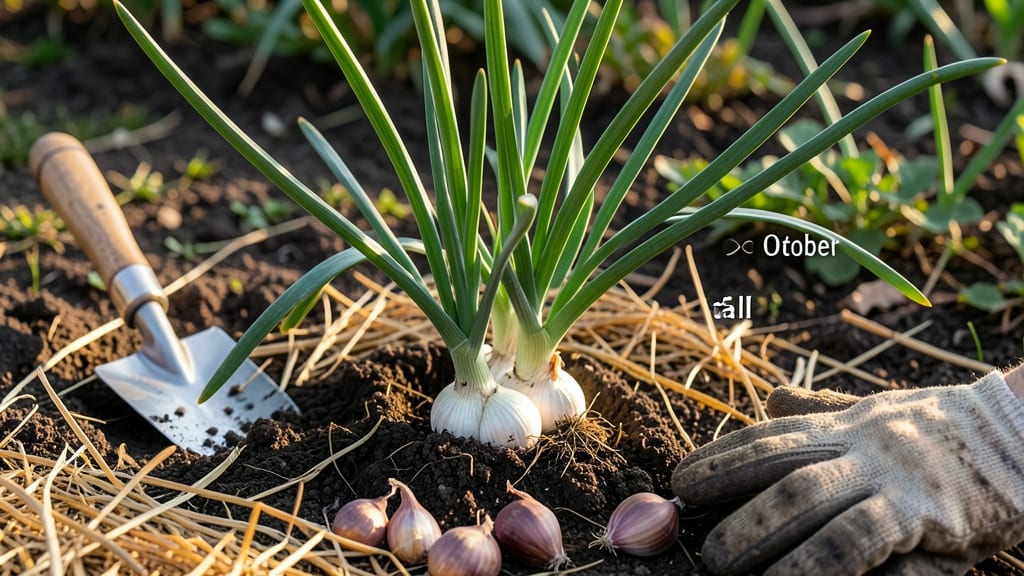
If you're dreaming of big, bold garlic bulbs this summer, timing your Zone 8 planting is the secret weapon you've been missing. Planting too early risks rot, while waiting too long means smaller harvests—neither of which will satisfy your craving for homegrown flavor.
The difference between puny cloves and restaurant-quality garlic starts with understanding your fall planting window and how Zone 8's unique climate plays into it.
Most gardeners know garlic thrives in cool weather, but what you might not realize is that Zone 8's warmer winters demand a more precise approach. Unlike colder regions, you can't just plant in October and forget about it—coastal areas, inland valleys, and urban heat pockets all behave differently.
I'll show you exactly how to adjust your schedule based on your specific microclimate, so you're not left guessing whether your garlic will survive the winter or bolt too soon.
Beyond timing, there are three critical mistakes that sabotage even the most well-intentioned Zone 8 garlic growers. From planting depth to soil pH, these oversights can turn your hard work into disappointment.
The good news? Each has a simple fix that will give you the confidence to plant like a pro—no green thumb required.
Ready to transform your garlic game? Let's dive into the science-backed planting window, climate adjustments, and pro tips that will have you harvesting plump, flavorful bulbs from June to July. Your future meals—and your taste buds—will thank you.
Ideal planting months for garlic in Zone 8: a science-backed timeline
Garlic thrives in Zone 8 when planted during its 6-8 week cold-requisite window—a period where soil temps drop but don’t freeze solid. This typically means October through November, but exact timing depends on your last frost date and garlic variety type.
Hardneck varieties need more cold exposure, while softnecks tolerate milder winters.
For Zone 8, aim to plant 4-6 weeks before the ground freezes. In most areas, this falls between mid-October and early November. Coastal regions may extend planting into early December, while inland valleys should plant by late October to avoid winter freezes that can damage emerging shoots.
Garlic’s growth cycle relies on daylight hours and soil temperature. When planted in fall, it enters dormancy during winter’s chill, then resumes growth in spring. This cold period is essential for bulb formation—skipping it results in small, weak cloves.
Think of it like a natural timer that ensures your harvest reaches peak flavor and size.
Pro Tip: Use a soil thermometer to confirm temps are between 40°F–50°F at planting time. This range prevents rot while allowing roots to establish before winter sets in.
| Planting Stage | Zone 8 Timeline | Key Conditions |
|---|---|---|
| Hardneck Varieties | Mid-October to early November | Soil temp: 40°F–50°F; 6+ weeks before frost |
| Softneck Varieties | Late October to early December | Soil temp: 45°F–55°F; tolerates milder winters |
| Coastal Adjustments | November–early December | Warmer microclimates; monitor soil temps |
| Inland Adjustments | Late October | Colder snaps; plant earlier to avoid freeze |
| Harvest Window | June–July | Lower leaves brown; bulbs firm and papery |
If you’re planting hardneck varieties like Rocambole or German White, prioritize the earlier window (mid-October). These need 40–60 days of cold to form scapes and bulbs. Softnecks like Silverskin or Artichoke can handle milder winters, so you can push planting to early December—just ensure soil stays workable.
Missed the fall window? Don’t panic—you can still plant garlic in late winter (January–February) for a smaller harvest. However, bulbs won’t be as large or flavorful. This method works best for green garlic or scapes rather than full bulbs.
For urban gardeners, container planting extends flexibility. Use pots with drainage holes and plant in October–November, ensuring they’re placed where temps drop naturally. Add a thick mulch layer (4–6 inches) to mimic ground-freezing conditions.
Garlic’s harvest time in Zone 8 typically falls between late June and July, when lower leaves turn brown and papery. This signals the bulb is fully mature and ready to dig. Mark your calendar now—harvesting at the right time ensures maximum flavor and storage life.
Remember: Soil prep is just as critical as timing. Test your soil’s pH (aim for 6.0–7.0) and amend with compost before planting. Well-drained soil prevents rot, while rich organic matter fuels bulb development. Your garlic’s future harvest starts with today’s soil prep!
How to adjust your planting schedule for Zone 8’s microclimates
Zone 8 isn't one-size-fits-all—your coastal garden might stay frost-free until January, while inland valleys could see unexpected cold snaps by December. That's why I recommend checking your local frost dates (aim for planting 4-6 weeks before the first hard frost).
For most of Zone 8, that lands in mid-October to early November, but coastal areas like San Diego can plant as late as December.
Urban gardeners face another challenge: heat islands where soil stays warmer longer. Test your soil temperature—it should be 40-50°F (4-10°C) at planting time. If it's warmer, wait 1-2 weeks or plant in shadier spots. Pro tip: Use a soil thermometer ($10 at garden centers) to avoid guesswork.
🌡️ Zone 8 Microclimate Adjustments
- Coastal Areas: Plant November–December (warmer winters). Use mulch heavily to protect from wind.
- Inland Valleys: Plant October–early November (colder winters). Choose hardneck varieties for cold tolerance.
- Urban Heat Islands: Plant shallow trenches to cool soil. Water evening soil to lower temps.
- High Elevations: Plant earlier (September–October). Expect longer dormancy before growth resumes.
- Missed Window? Try spring planting (February–March) for smaller bulbs—not ideal, but better than nothing!
If you're still unsure, use the back-of-hand test: When evening temps consistently drop below 60°F (15°C), it's time to plant. For extra insurance, cover cloves with 4-6 inches of mulch (straw or leaves work) to shield them from temperature swings.
This buffer zone keeps roots consistently cool, which garlic craves for bulb development.
Don't let unpredictable Zone 8 weather stress you out. Even if you plant a week late, your garlic will likely survive—just expect slightly smaller bulbs.
The key is consistency: once planted, maintain even moisture and minimal disturbance until spring. Your patience will pay off with bold, flavorful harvests by July.
For a last-minute fix, try container growing. Fill pots with well-draining soil, plant cloves, and move containers to protected spots (like against a south-facing wall) if frost threatens. This gives you flexibility to adjust as weather changes—perfect for Zone 8's unpredictable microclimates.
Remember: No two Zone 8 gardens are alike. Observe your own space for 2-3 years to pinpoint the ideal planting window. Keep a gardening journal to track frost dates, soil temps, and harvest sizes. Over time, you'll develop a customized schedule that outpaces Mother Nature's surprises.