
Plants
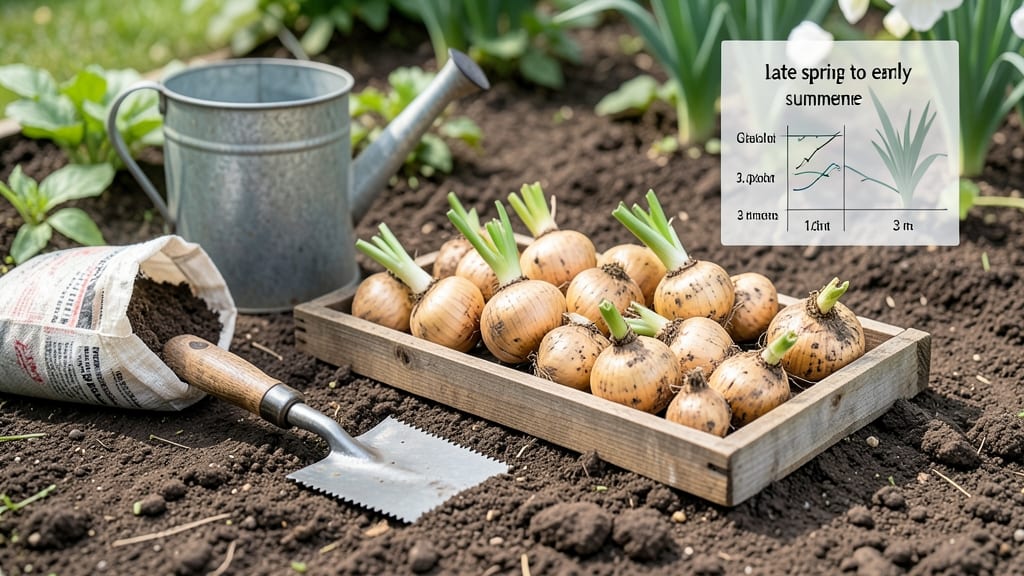
Timing your gladiolus bulb planting in California can feel like solving a puzzle—coastal chill meets inland heat, and one wrong move could leave you with flops instead of showstopping blooms.
Whether you're in foggy San Francisco or the Central Valley's sunbaked soil, getting those bulbs in the ground at the right moment is the key to summer-long color.
I’ve planted these tall, dramatic 🌱 gladiolus across California’s diverse zones, and the difference between a thriving garden and a sad, wilted experiment comes down to two things: soil temperature and your local microclimate. Too early?
Frost nibbles your tender shoots. Too late? Your plants bolt in the heat before they even bloom. Let’s cut through the guesswork so you can enjoy those 6-foot spikes of color from July through fall.
What you’ll discover here isn’t just a calendar—it’s a game-changer for California gardeners. We’re talking staggered planting tricks for coastal areas where spring lingers, soil prep hacks for inland zones that heat up fast, and how to outsmart California’s unpredictable weather.
No more waiting until it’s too late or planting when the ground’s still too cold.
Ready to turn your garden into a summer spectacle? Let’s dive into the exact windows, tools, and pro tips that’ll have your gladiolus thriving—no matter which side of the state you’re on.
Your most vibrant blooms start with the right timing, and I’ve got the insider secrets to make it happen.
California gladiolus planting calendar by heat Zone (coastal vs inland)
Gladiolus bulbs thrive in California’s warm climate, but the exact planting window depends on your heat zone. Coastal areas like San Francisco and Santa Barbara have cooler summers, while inland regions like the Central Valley and desert areas experience intense heat.
Understanding these differences ensures your gladiolus blooms appear when you expect them.
For coastal California (USDA Zones 7-9), aim to plant gladiolus bulbs 4-6 weeks before your last frost date, typically between February and early April.
In contrast, inland and desert zones (USDA Zones 9-11) can plant as late as March to May, avoiding the peak summer heat that can stress young shoots.
Here’s a quick comparison to help you determine the best time for your location:
| Zone/Location | USDA Zone | Last Frost Date | Ideal Planting Window | Key Consideration |
|---|---|---|---|---|
| Coastal (San Francisco, LA) | 7-9 | Mid-February to April | February–April | Cool summers; avoid late-spring rains |
| Central Valley (Sacramento, Fresno) | 9-10 | March–April | March–May | Hot summers; plant early to avoid heat stress |
| Desert (Palm Springs, Joshua Tree) | 10-11 | No frost | March–April | Extreme heat; use shade cloth for young plants |
In coastal areas, where summers are milder, you can even plant gladiolus bulbs as late as May for a fall bloom. However, inland regions should avoid planting after May, as the intense heat can cause bulbs to bolt prematurely or fail to establish roots properly.
Always check your local last frost date and adjust accordingly. For example, in San Diego, where winters are mild, you can plant as early as January, while in Sacramento, wait until mid-March to ensure soil warmth.
Soil temperature is another critical factor. Gladiolus bulbs need soil that’s at least 60°F to sprout successfully. Use a soil thermometer to confirm before planting, especially in cooler microclimates like the North Coast.
If you’re unsure about your exact heat zone, use the USDA Plant Hardiness Zone Map and cross-reference it with your local weather patterns. For instance, areas like Santa Cruz may experience cooler microclimates even within the same zone as San Jose.
Finally, remember that gladiolus bulbs are tender perennials in California. They won’t survive winter outdoors in most zones, so treat them as annuals or dig up and store the bulbs after blooming for next year’s spring planting.
With the right timing, your gladiolus will reward you with stunning summer blooms that add height and drama to your garden. 🌻
5 Critical factors that determine your exact planting date
Planting gladiolus bulbs in California isn’t just about checking a calendar—it’s about reading your local climate like a pro. The 5 critical factors that dictate your exact planting window are soil temperature, last frost dates, summer heat tolerance, bulb maturity, and even your microclimate.
Get these right, and you’ll enjoy 6-foot spikes of color from July through fall.
First, soil temperature is your golden rule. Gladiolus bulbs need soil that’s warmed to at least 60°F (15°C)—any cooler, and they’ll rot before sprouting.
In inland zones like Sacramento, this means waiting until late April or May, while coastal areas like San Francisco can plant as early as March thanks to cooler soils.
Next, last frost dates are non-negotiable. Even if your soil is warm, a late frost can kill tender shoots. Check your USDA Zone—Zone 7 (like parts of the Sierra foothills) needs to wait until May 15, while Zone 10 (desert regions) can plant year-round with no frost risk.
Use the Almanac’s frost calculator for your exact location.
Don’t overlook summer heat tolerance. Gladiolus thrives in full sun but wilts in 100°F+ heat without shade. Inland areas like Bakersfield hit these temps by June, so plant early to finish blooming before the peak heat. Coastal zones like LA can handle later plantings because ocean breezes moderate temperatures.
Bulb maturity matters too—larger corms (the bulb-like base) produce taller, more robust plants. If you’re planting smaller corms, give them extra time to establish roots by planting 2-3 weeks earlier than the recommended window.
This is especially key in Zone 9 and 10, where the growing season is long but intense.
Finally, your microclimate can shift your planting date by weeks. A north-facing slope stays cooler longer, while a south-facing bed warms up faster. Even a 5-foot difference in elevation can change your frost risk. Observe your garden’s patterns—if your yard stays damp longer, delay planting until the soil’s fully dry.
Here’s the kicker: California’s unpredictable weather means these factors can shift yearly. For example, a wet spring in Zone 8 might delay planting by 2 weeks because soggy soil stays cold. The key is flexibility—adjust based on real-world conditions, not just a calendar.