
Plants
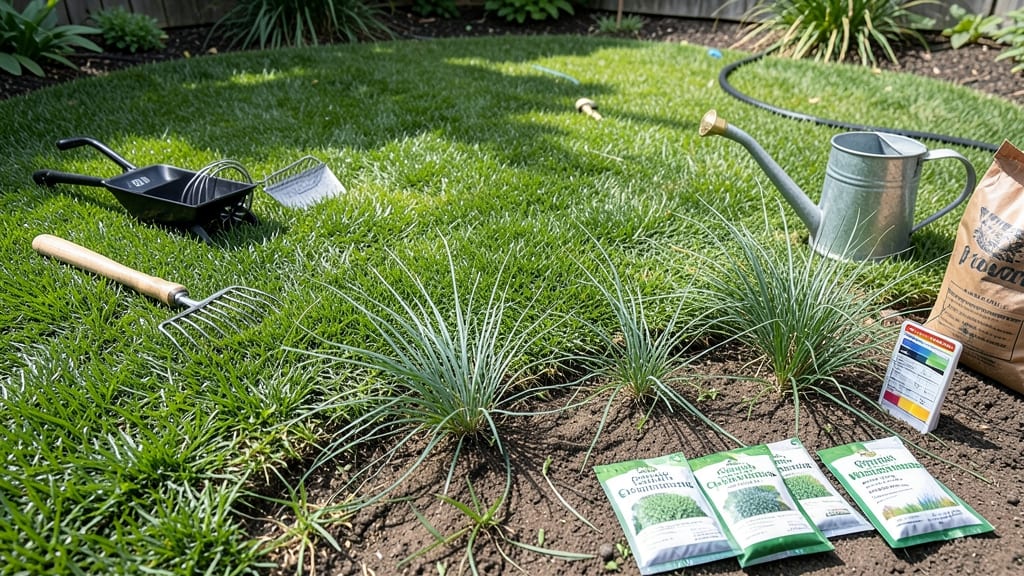
Timing your 🌱grass seed planting in California isn't one-size-fits-all—get it wrong, and you're staring at months of patchy, struggling growth instead of that lush lawn you want. The best time depends on whether you're battling coastal fog, inland heat, or desert dryness, with each region having its own ideal window.
Most gardeners swear by fall planting (September-November) when soil temps hit that sweet 60-75°F range, but spring (March-May) works too—especially for warm-season grasses like Bermuda. The key is avoiding extreme heat or frost, which can turn your seed into a sad, crunchy memory.
Here's where it gets tricky: coastal areas like San Francisco can handle planting later than inland spots, while desert regions might need an earlier start. I'll break down exactly when to plant in your specific microclimate, plus the prep work that makes all the difference between success and frustration.
Ready to transform your yard? Let's dive into the perfect planting schedule for California's diverse growing zones—so you can finally stop guessing and start growing that dream lawn.
California’s optimal grass seed planting months by region (coastal vs. inland vs. desert)
California’s diverse microclimates mean the best time to plant grass seed varies dramatically. Coastal areas like San Francisco thrive with fall planting (September–November), while desert regions (e.g., Palm Springs) prefer late winter (February–March). Inland cities like Sacramento split between early spring (March) and fall (October).
Soil temperature is your #1 guide. Aim for 60–75°F—ideal for germination. Coastal areas stay mild year-round, while inland zones hit 80°F+ in summer, stressing seedlings. Desert grass types (like bermudagrass) handle heat better but still need cooler starts.
Rainfall also plays a role. Northern California gets winter rains, so fall planting ensures moisture. Southern California relies on irrigation—plan for consistent watering if planting in dry months (June–August).
Here’s how to match your region to the perfect planting window:
| Region | Best Planting Months | Soil Temp Range | Grass Type | Key Consideration |
|---|---|---|---|---|
| Coastal (SF, LA) | Sep–Nov, Mar–Apr | 55–70°F | Fescue, Ryegrass | Fog delays germination—plant early fall |
| Inland (Sacramento, Fresno) | Mar–May, Oct | 60–75°F | Bluegrass, Tall Fescue | Summer drought—avoid June–Aug |
| Desert (Palm Springs, Coachella) | Feb–Mar, Sep | 65–80°F | Bermudagrass, Buffalo Grass | Extreme heat—plant at dawn/dusk |
For Northern California, cool-season grasses like Kentucky bluegrass thrive in fall. Southern regions favor warm-season grasses like Zoysia, planted in late spring. Always check your USDA zone (7–11 in CA) for precision.
Pro tip: Test soil moisture before planting. Coastal areas may need drainage adjustments due to fog-induced dampness, while desert soils require extra organic matter to retain water. Use a moisture meter for accuracy.
Timing isn’t just about months—it’s about weather patterns. Plant 1–2 weeks before your region’s first steady rains (coastal) or after monsoon season (desert). Check local NOAA forecasts for 10-day outlooks before committing.
If you’re in transition zones (e.g., Santa Barbara), split your seeding: 50% in fall, 50% in spring to hedge against unpredictable weather. This two-phase approach ensures year-round coverage.
Remember: Grass seed needs consistency. Planting in July in Sacramento? Your seedlings will bake in 100°F+ heat. Stick to the ideal windows, and your lawn will thrive.
California’s optimal grass seed planting months by region (coastal vs. inland vs. desert)
California’s diverse microclimates mean there’s no single "best" time to plant grass seed—your region’s temperature and rainfall patterns dictate success. Coastal areas like San Francisco thrive with fall planting (September–November), while inland zones such as Sacramento prefer spring (March–May).
Desert regions like Palm Springs even allow year-round planting with proper irrigation.
Soil temperature is your golden rule: aim for 60–75°F at 4 inches deep. Cool-season grasses (e.g., Kentucky bluegrass) love fall’s mild temps, while warm-season types (e.g., Bermuda grass) need spring’s warmth. Let’s break it down by zone to avoid costly mistakes.
Timing isn’t just about months—it’s about weather patterns. In coastal regions, plant after the first autumn rains (typically October) to trigger germination. Inland areas should seed 2–3 weeks before the first frost (usually November).
Desert zones? Spring is ideal, but fall works too if you’re prepared for daily watering.
Pro tip: Check the 7-day forecast for steady temps and no extreme heat (above 90°F). Heat stress can kill seedlings in 48 hours. If your area is drought-prone, opt for drought-tolerant grasses like tall fescue or Buffalo grass, which thrive with 30% less water once established.
Remember, overseeding (planting new seed over existing grass) has a 2-week window in late summer (August) to refresh lawns. But for new lawns, stick to fall or spring—your grass will thank you with thicker growth and fewer weeds. 🌱
For coastal gardeners, pair planting with mulching to retain moisture from fog drip. Inland areas should aerate soil before seeding to improve water absorption. And desert plantings? Drip irrigation is a must—it delivers water directly to roots, cutting evaporation by 50%. ☀️