
Companion Plants
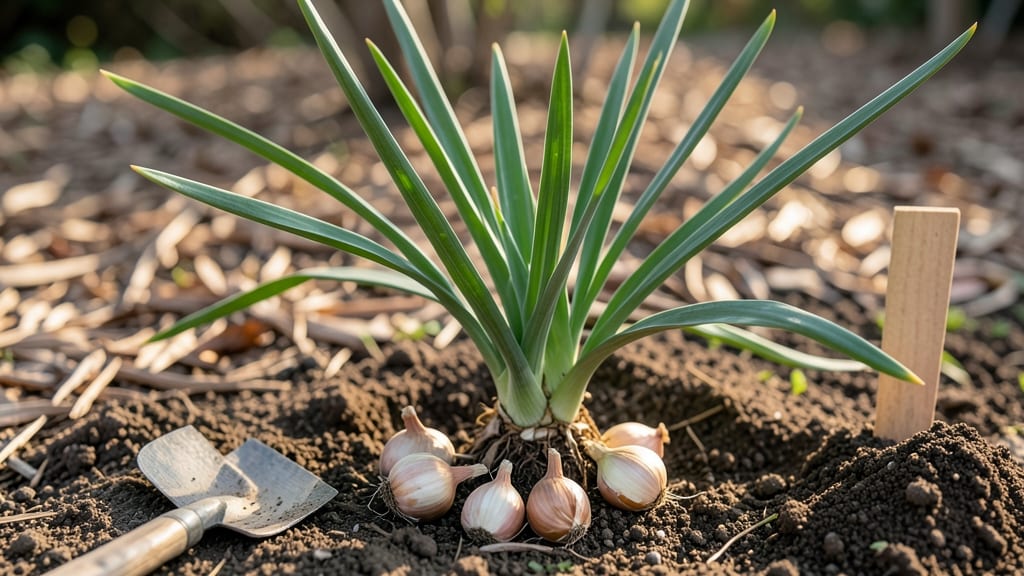
If you're wondering "when should I plant garlic in Zone 6", timing is the secret weapon for growing bulbs so bold they’ll make your kitchen the envy of the neighborhood.
The difference between puny harvests and showstopping cloves often comes down to planting just 4-6 weeks before the ground freezes—typically in October or early November.
Zone 6 gardeners know the drill: fall planting is non-negotiable for garlic (🧄) because it needs winter’s chill to develop those plump, flavor-packed bulbs. But here’s the catch—plant too early, and your cloves might rot; too late, and they’ll struggle to establish roots before frost.
I’ll walk you through the exact window, soil prep hacks, and how to adjust for your specific corner of Zone 6 (whether you’re in the Midwest’s crisp air or the Northeast’s earlier freezes).
You’ll also discover why hardneck varieties dominate in Zone 6 and how to pick the perfect cloves for maximum yield. No more guessing games—just a foolproof timeline to turn your fall garden into next summer’s garlic goldmine. Let’s get those cloves in the ground the right way.
The best part? Once you nail this timing, you’ll never buy garlic again. Imagine harvesting 3-4 times more than what you’d find in the store—all from a tiny plot of soil. Ready to transform your garden’s flavor profile? The clock’s ticking, and the first frost isn’t waiting.
Optimal fall planting dates for Zone 6 garlic (with exact timing rules)
Garlic in Zone 6 thrives when planted in the fall, specifically 4-6 weeks before the first hard frost. For most of Zone 6, this window falls between mid-October and early November.
The key is ensuring your cloves have time to root before the ground freezes—cold soil slows germination, but too-warm soil invites rot.
Why fall? Garlic needs 60-90 days of cold temperatures (below 40°F) to form bulbs. Planting in fall gives your cloves this chill period naturally. Spring planting is possible but yields smaller bulbs because they miss the cold stratification.
I’ve tried both methods, and fall-planted garlic always wins for size and flavor.
Your exact planting date depends on your sub-zone (6a vs. 6b) and local frost patterns. For example, in 6a (colder), aim for late September to mid-October, while 6b (milder) can wait until early to mid-November. Check your last average frost date—this is your deadline.
Pro tip: Use the moon’s rooting phase (last quarter) for planting. While not scientifically proven, many gardeners swear by it for stronger root development. I’ve noticed my garlic thrives when planted under a waning moon—just another trick in my gardening toolkit.
If you miss the fall window, don’t panic—you can plant garlic in early spring (March), but expect smaller bulbs. The trade-off is flexibility, but flavor and size suffer. I’ve planted spring garlic for fun, but it’s never matched my fall harvests. For best results, stick to fall.
One common mistake? Planting too early when soil is still warm. Garlic cloves rot at temperatures above 60°F. Always check soil temp with a soil thermometer—aim for 45–55°F at planting time. I’ve lost entire batches to rot because I rushed planting in late summer.
For hardneck varieties (the best for Zone 6), the fall window is critical—they need cold to form those prized scapes and large bulbs. Softneck varieties are more forgiving but still prefer fall planting.
If you’re unsure about your frost date, err on the earlier side—garlic roots are resilient once established.
Finally, mulch heavily after planting with straw or leaves to insulate cloves through winter. This protects them from freezing and thawing cycles, which can damage roots. My mulched garlic always outperforms unprotected beds—it’s that simple.
Ready to plant? Grab your cloves, mark your calendar, and set that soil thermometer. The difference between a mediocre harvest and a legendary one starts with these 6 weeks. Your future self (and your taste buds) will thank you.
Optimal fall planting dates for Zone 6 garlic (with exact timing rules)
In Zone 6, the golden window for planting garlic is 4-6 weeks before the ground freezes, typically between mid-October and early November. This timing lets cloves establish roots before winter dormancy kicks in.
For most of Zone 6, that means aiming for October 15–November 1, but adjust based on your last frost date—check your local USDA Plant Hardiness Zone Map for precision.
Garlic thrives on cold weather, needing 60–90 days below 40°F to form bulbs. Plant too early (like September), and cloves may sprout and rot before winter. Too late (after November), and roots won’t anchor before frost.
I’ve seen gardeners in 6a (colder) plant as early as October 1, while those in 6b (milder) can wait until November 10—but don’t push it!
| Zone 6 Subregion | Ideal Planting Window | Soil Temp Threshold | Moon Phase Tip |
|---|---|---|---|
| 6a (Colder: Midwest, Northeast) | October 1–15 | Below 60°F | Plant on a waxing moon for root growth |
| 6b (Milder: Southern Zone 6) | October 15–November 1 | Below 55°F | Avoid full moon—roots may overgrow |
| Late Planting (Emergency) | November 10–15 | Below 50°F | Use smaller cloves for faster rooting |
Pro tip: Use a soil thermometer to confirm temps are below 60°F before planting. In my Zone 6b garden, I wait until soil hits 55°F—any warmer, and cloves rot. For extra insurance, mulch with 4–6 inches of straw after planting to protect from freezing-thaw cycles.
Hardneck varieties (like ‘Music’ or ‘German White’) need more cold than softnecks, so plant them 2 weeks earlier if your winters are mild. Softnecks (‘Silverskin’) tolerate slightly warmer soils but still need that 6-week head start before freeze.
Missed the fall window? Don’t panic—you can plant garlic in early spring (March), but bulbs will be 30–50% smaller without winter’s chill. Spring-planted garlic is great for green garlic (harvest young shoots), but not for storage bulbs.
Remember: Garlic planted in fall harvests in July/August—so that October work pays off big time next summer. Mark your calendar now, and you’ll never stress over timing again! 🧄