
Plants
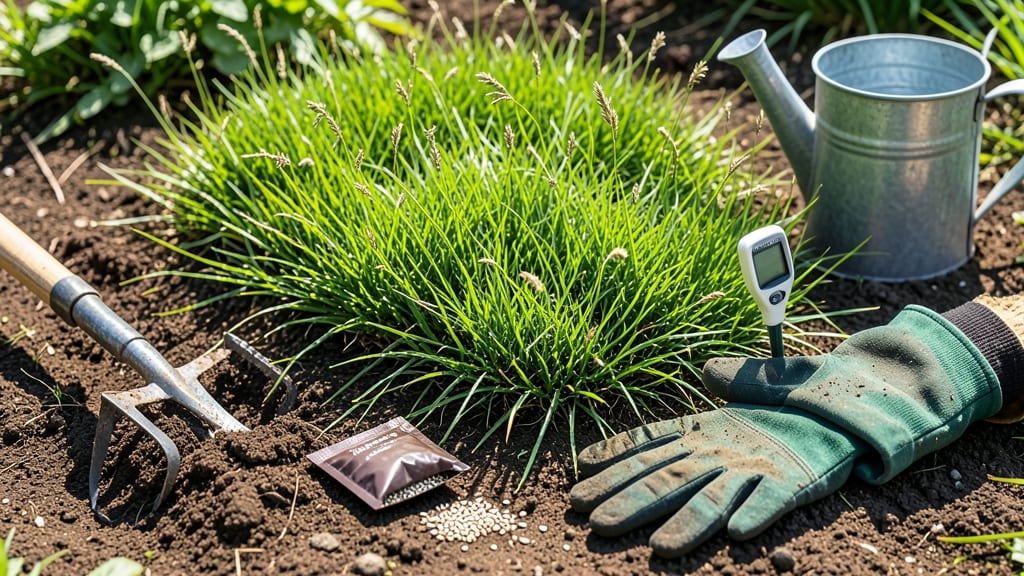
Planting Bermuda Grass seed in Arizona isn’t just about picking a month—it’s about catching the perfect window when soil warmth and monsoon timing align. Too early, and your seedlings will fry in the heat; too late, and they’ll struggle to take root before winter sets in.
The key? Waiting until the ground reaches at least 70°F—a signal that the grass’s natural dormancy is breaking.
Most Arizona gardeners swear by late spring to early summer (May through June), but the real magic happens after the monsoons arrive. That first burst of rain isn’t just water—it’s the green light your Bermuda Grass has been waiting for.
Without it, even well-timed seeds can fail to germinate, leaving you with patchy, weak growth.
Here’s the game-changer: soil temperature trumps the calendar. Stick a soil thermometer in the ground—if it’s consistently above 65°F, you’re ready.
This rule holds true whether you’re in Phoenix, Tucson, or Flagstaff, though high-altitude areas like Sedona may need to wait an extra week or two for the heat to build.
I’ll walk you through exactly how to time your planting, from testing soil warmth to adjusting for early or late monsoons. Skip the guesswork and get a lawn that thrives in Arizona’s brutal summer—without the trial and error.
Arizona’s Bermuda seed planting timeline: soil temperature & monsoon dependencies
Arizona’s Bermuda grass thrives in heat but demands precise timing—soil must reach 65°F+ for germination, while monsoon rains provide critical moisture. Plant too early, and seedlings fry; too late, and weak growth can’t handle winter.
The ideal window spans late May to early July, aligning with soil warmth and monsoon onset.
Your local microclimate matters: Phoenix’s low desert warms faster than Flagstaff’s high country. Test soil with a soil thermometer (65°F+ at 2-inch depth) before planting. Monsoons typically arrive by mid-July, but early rains can shift your window. Adjust by planting 2-3 weeks earlier if soil warms ahead of schedule.
🌱
| Factor | Arizona Low Desert (Phoenix/Tucson) | High Desert (Flagstaff/Sedona) |
|---|---|---|
| Soil Temperature Threshold | 65°F+ (April–May) | 70°F+ (May–June) |
| Ideal Planting Month | May–June | June–July |
| Monsoon Dependency | Rely on July rains | Wait for August rains |
| Germination Time | 7–14 days (with moisture) | 10–21 days (cooler soil) |
| Establishment Time | 6–8 weeks | 8–10 weeks |
For Phoenix and Tucson, aim to plant after Memorial Day (late May) when soil consistently hits 65°F. Use a soil thermometer to confirm—Bermuda seed won’t germinate below 60°F. In Flagstaff or Sedona, wait until early June when high-desert soils finally warm.
Pro tip: Pre-monsoon watering (drip irrigation) bridges the gap if rains delay.
Monsoons are your secret weapon. Bermuda grass needs 1–1.5 inches of water weekly during establishment, but overwatering causes fungal rot. Let natural monsoon rains handle 50% of your watering needs—supplement with early-morning irrigation to prevent evaporation.
Track local forecasts: early monsoons (June) let you plant earlier; late monsoons (August) may require extended irrigation.
🌡️
Don’t stress if your soil warms early. Plant 4–6 weeks before monsoons (late April–early May in Phoenix) and use shade cloth to protect seedlings from 100°F+ heat. Conversely, if monsoons arrive late, switch to hydroseeding (seed + mulch slurry) for faster moisture retention.
Always test soil moisture—stick your finger 2 inches deep; if dry, water deeply.
Once established, Bermuda grass drought-proofs your lawn, but the first 8 weeks are critical. Mow high (2–3 inches) to shade roots and reduce water loss. Avoid walking on new seedlings—traffic compacts soil and stunts growth.
With the right timing, your Bermuda lawn will outcompete weeds and handle Arizona’s extremes like a pro.
☀️
Need a backup plan? Sod is faster (establishes in 2 weeks) but costs more. For seed, late May–early June is your sweet spot—just adjust for your elevation.
High desert? Plant 2 weeks later. Low desert? Get seeds in the ground by May 15th to avoid summer’s brutal peak.
Critical mistakes to avoid when planting Bermuda seed in Arizona’s heat
Arizona’s Bermuda grass thrives in heat, but planting mistakes can turn your lush lawn dreams into wilted disappointment. The biggest error? Planting too early when soil temps are still cool—seeds need consistent warmth (65°F+) to germinate. Many gardeners rush in April, only to watch seedlings burn under May’s scorching sun before monsoons arrive. Another common blunder is overwatering during germination. While Bermuda grass is drought-tolerant once established, freshly planted seeds rot in soggy soil. I’ve seen entire plots fail because well-meaning gardeners drowned them with daily deep soaks instead of light, frequent misting. The key is moisture, not mud.Timing your planting to miss the monsoon window is a recipe for disaster. If you plant in late June, you might get scorched seedlings before rains arrive.
Conversely, planting in August risks fungal diseases from sudden humidity spikes. Pro tip: Track NOAA’s monsoon forecasts and aim for early June when soil is warm and rains are imminent.
Shade stress is another silent killer. Many Arizona yards have partial shade from palm trees or structures. Bermuda grass hates shade—it needs 6+ hours of direct sun. I’ve seen homeowners plant seeds under dappled shade, only to watch their lawn turn thin and patchy. If your yard has shade, test germination spots first or use shade cloth until seedlings are established. Even soil prep mistakes derail success. Skipping tilling or removing debris creates a barrier between seed and warmth. I recommend double-checking that your soil is loose, level, and free of rocks—Bermuda seeds need direct contact with warm earth to sprout. A quick soil thermometer test (65°F+) before planting saves headaches later. One final trap? Using old or low-quality seed. Bermuda grass seeds lose viability fast in heat. Always buy fresh, certified seed from Arizona-specific suppliers. I’ve had readers complain about poor germination only to discover they’d bought expired seed from a big-box store. Spend a little more for high-germination rates—it’s worth the investment. 💡 Salvage Tip: If your seeds fail to germinate in 14 days, don’t give up. Re-test soil moisture (should be like a damp sponge) and re-plant immediately with fresh seed. Sometimes, bird activity or uneven coverage causes gaps—spot-check your lawn for missed areas.By avoiding these pitfalls, you’ll give your Bermuda grass the fighting chance it needs to outlast Arizona’s brutal summers. The secret? Patience, precision, and perfect timing—just like the pros do. 🌱